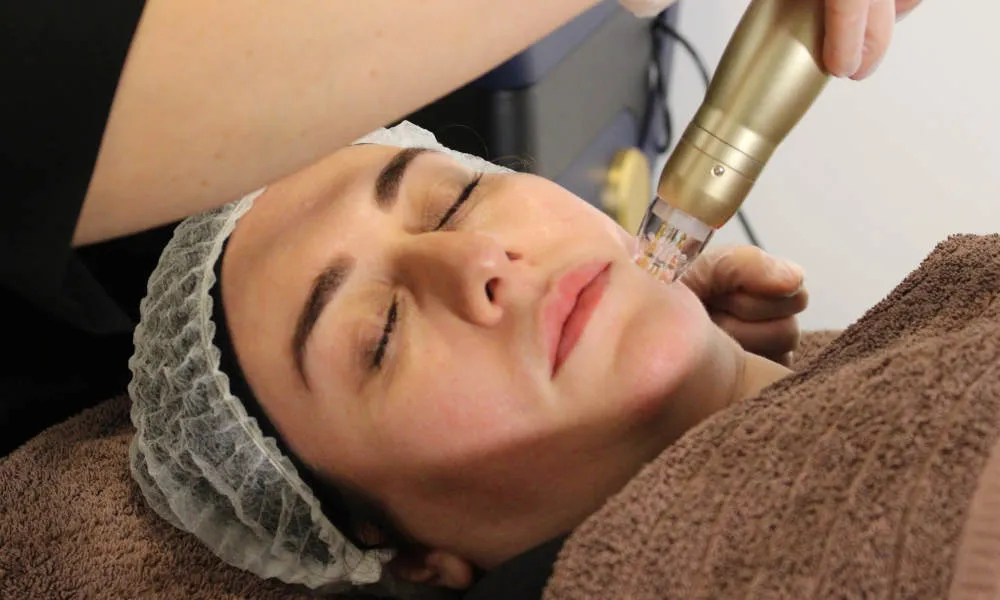
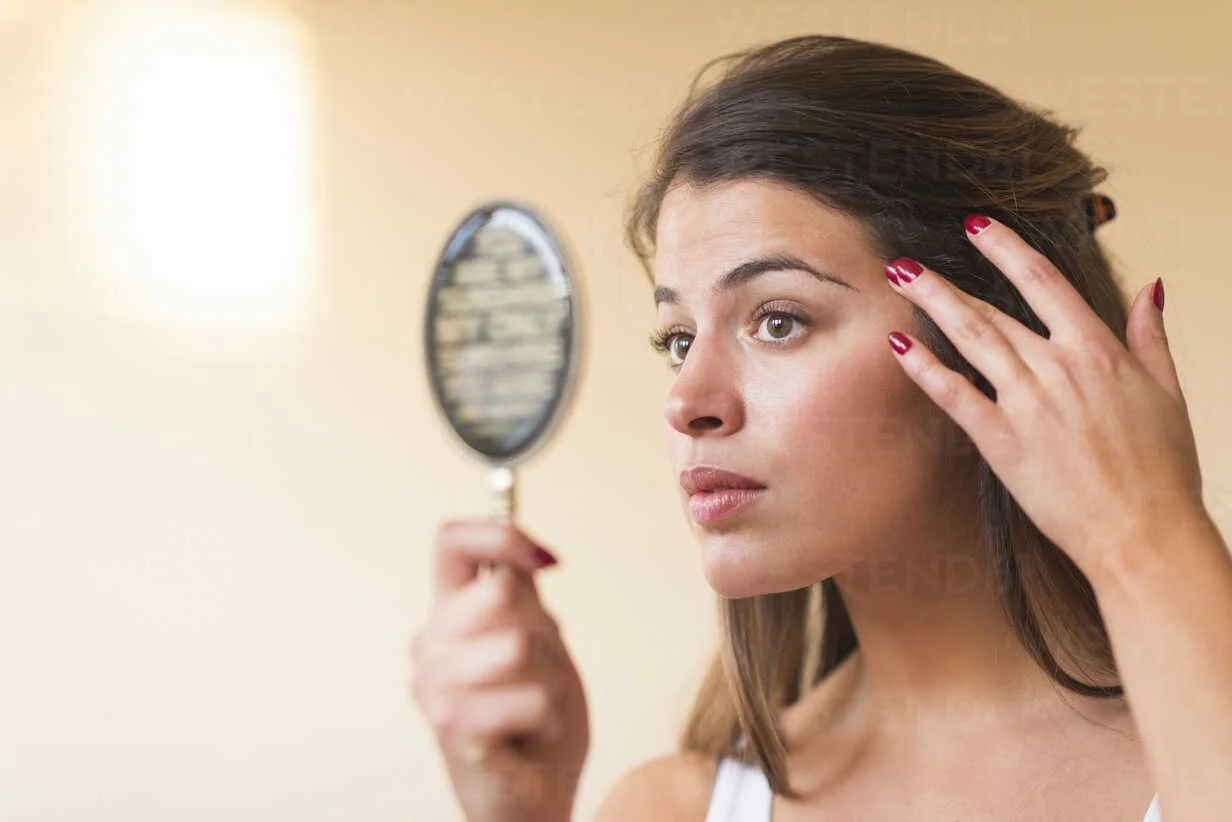
Cosmetic treatments are often seen through a filtered lens, perfect lighting, ideal angles, and dramatic before-and-after images. While these visuals can be inspiring, they don’t always reflect the real, medically achievable outcomes.
Understanding what results actually look like is essential before starting any procedure. It helps you make informed decisions, avoid disappointment, and appreciate the true value of aesthetic treatments.
Why Expectations Matter in Aesthetic Treatments
One of the most common reasons patients feel disappointed is not poor results, but misaligned expectations.
Aesthetic treatments are designed to:
- Improve, not perfect
- Enhance, not transform completely
- Work with your features, not replace them
When expectations are realistic, outcomes feel more satisfying and natural.
- Improvement vs Perfection
A key principle in aesthetics is that results are measured in visible improvement, not perfection.
What realistic results look like:
- Pigmentation appears lighter and more even, but not completely erased.
- Acne scars become softer and less noticeable, but not invisible.
- Fine lines reduce in depth. They don’t disappear entirely.
What to avoid expecting:
- “Flawless” skin
- Zero pores or texture
- Complete removal of deep structural concerns
Understanding this distinction is crucial to avoid the feeling that “the treatment didn’t work” when it actually did.
- Gradual Results, Not Instant Changes
Many treatments work by stimulating your body’s natural processes.
Examples:
- Collagen-building treatments take weeks to show a visible change
- Pigmentation treatments require multiple sessions
- Skin texture improves progressively over time
What patients often misunderstand:
- The immediate post-treatment appearance is not the final result
- Early stages may show subtle or temporary changes
Real outcomes develop over time and not overnight.
- Swelling, Healing & Temporary Phases
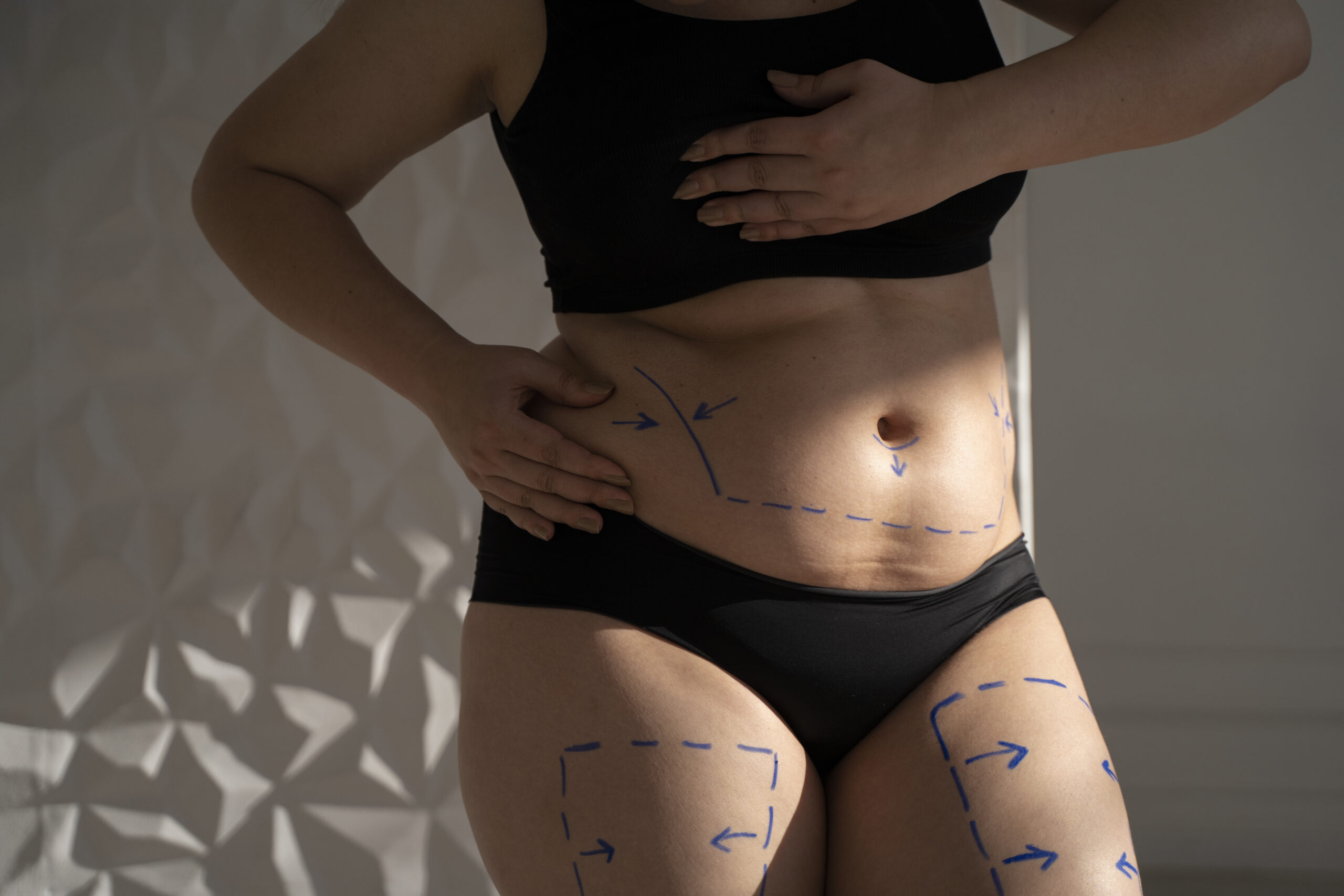
Especially in procedures like rhinoplasty or liposuction, the initial result may not reflect the outcome.
You’ll experience:
- Swelling masks the actual contour
- Temporary asymmetry during healing
- Gradual settling of tissues
What to expect:
- Final results may take weeks to months
- Early changes are part of the healing process
Being aware of this prevents unnecessary concern during recovery.
- Results Depend on Your Starting Point
Every individual’s baseline condition affects the outcome.
Factors that influence results:
- Skin type and thickness
- Severity of the concern (deep scars vs mild texture)
- Age and collagen levels
- Lifestyle and habits
Example:
Two people undergoing the same treatment may see different results because their starting points are different.
- Maintenance Is Part of the Process
Aesthetic treatments are not always permanent.
What this means:
- Botox requires repeat sessions
- Skin treatments need maintenance for lasting results
- Lifestyle factors can influence how long results last
Without maintenance, improvements can gradually reduce over time.
- “Natural Results” Are the Goal
Modern aesthetics focuses on subtle, balanced outcomes, and choosing the best hair transplant results in Mumbai can help achieve a natural-looking appearance that complements your facial features.
What natural results look like:
- Features remain recognisable
- Enhancements are not obvious
- Changes blend with your overall appearance
What to avoid expecting:
- Dramatic, unnatural transformations
- Copying someone else’s features
The goal is to look like a refined version of yourself, by not becoming someone else.
- Multiple Sessions Are Often Required
Many concerns cannot be resolved in a single session.
Common examples:
- Pigmentation: multiple laser or peel sessions
- Acne scars: staged treatments over months
- Skin rejuvenation: ongoing maintenance
Expecting one session to solve everything is a common reason behind perceived treatment failure.
- Technology Has Limits
Even with advanced treatments, there are boundaries to what can be achieved.
Limitations include:
- Deep scars may improve but not disappear
- Structural asymmetry can be corrected, but not always made perfectly symmetrical
- Ageing can be slowed, not stopped
Understanding these limits helps set realistic, achievable goals.
- Communication Shapes Satisfaction
A major part of achieving realistic expectations lies in how well your concerns are understood. Reviewing Rhinoplasty before and after in Mumbai can also help you understand potential outcomes and develop realistic expectations for your procedure.
A good consultation should:
- Clearly explain expected results
- Show possible outcomes (where applicable)
- Discuss limitations openly
When communication is clear, there is less chance of a mismatch between expectation and reality.
- What Real Success Looks Like
Instead of looking for perfection, focus on meaningful improvements.
Signs of successful treatment:
- Your concern is visibly reduced
- Your features look more balanced
- You feel more confident in your appearance
Often, the most successful results are the ones that feel subtle but significant.
How to Set the Right Expectations
Before starting any treatment, ask:
- What level of improvement is realistic for my concern?
- How many sessions will I need?
- What is the expected timeline for results?
- What maintenance will be required?
These questions help align your expectations with what is medically achievable.
Conclusion
Cosmetic treatments are powerful tools, but they work best when approached with clarity and realistic expectations.
Instead of expecting perfection, focus on:
- Gradual improvement
- Natural-looking results
- Long-term care and maintenance
When expectations are aligned with reality, the journey becomes more predictable, and the results are more satisfying.At My Aesthetic+, the emphasis is on honest guidance, personalised planning, and outcomes that enhance, not alter, your natural features.