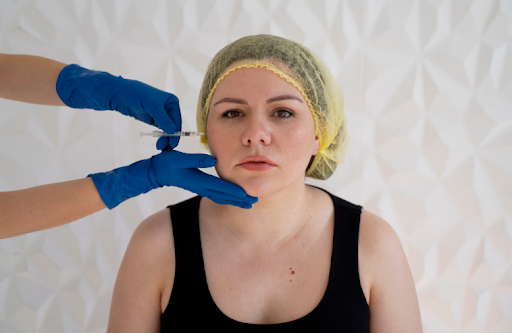
With the growing popularity of aesthetic treatments, a common and important question is: “Are cosmetic procedures safe?”
The answer is yes. When done correctly, by the right professionals, using approved methods and technology. However, not all clinics follow the same standards, which makes it essential for patients to verify safety before proceeding.
This guide will help you understand how to evaluate the safety of aesthetic treatments and make informed decisions.
Why Safety Should Be Your First Priority
Cosmetic treatments, whether surgical or non-surgical, are medical procedures, not just beauty services.
Choosing incorrectly can lead to:
- Poor or unnatural results
- Skin damage or complications
- Long-term corrective treatments
Understanding cosmetic procedure risks and how to avoid them is key.
1. Check If the Procedure Is Clinically Approved
One of the first steps is to verify whether the treatment itself is recognised and approved.
What to look for:
- Procedures backed by clinical research
- Use of FDA-approved cosmetic treatments or equivalent certifications
- Standardised treatment protocols
Important note:
“FDA-approved” doesn’t mean risk-free, but it indicates that the treatment has been evaluated for safety and effectiveness.
2. Verify the Doctor’s Qualifications
The safety of a procedure depends heavily on who performs it.
Check for:
- Certified plastic surgeon or trained aesthetic doctor
- Relevant experience in the specific procedure
- Transparent credentials
Red flag:
- Procedures performed by unqualified staff or technicians without supervision
A safe cosmetic surgery in India always involves qualified medical professionals. Choosing the best plastic surgeon in Mumbai can help ensure that your treatment is properly assessed, planned, and performed by an experienced medical professional.
3. Evaluate the Consultation Process
A proper consultation is a strong indicator of safety.
A safe consultation should include:
- Detailed assessment of your concern
- Discussion of your medical history
- Explanation of risks, benefits, and alternatives
- Realistic expectations
Red flag:
- Rushed consultations
- Immediate push toward treatment
- No discussion of risks
4. Understand the Risks Involved
Every procedure, no matter how minor, has some level of risk.
Common cosmetic procedure risks:
- Temporary swelling or redness
- Bruising
- Pigmentation changes (especially in Indian skin)
- Uneven results if not done correctly
A trustworthy clinic will always:
- Explain these risks clearly
- Guide you on how they are managed
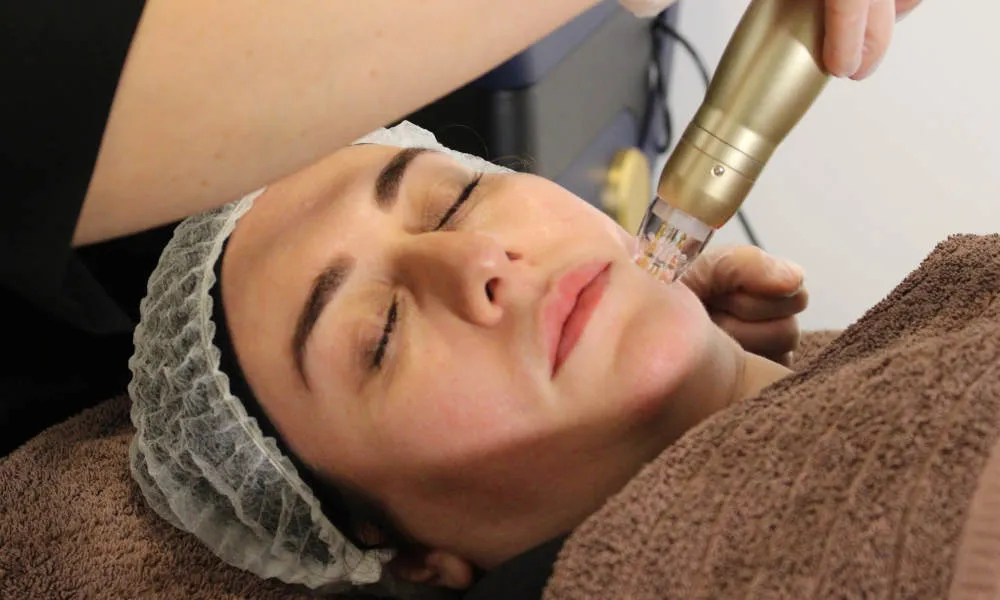
5. Check the Technology and Equipment Used
The safety of aesthetic treatments depends on the quality of devices and tools.
What to verify:
- Use of advanced, well-maintained machines
- Clinically validated technology
- Proper hygiene and sterilisation
Red flag:
- Outdated equipment
- Lack of clarity about the technology used
6. Look for Personalised Treatment Planning
Safe treatments are never one-size-fits-all.
A good plan should:
- Be tailored to your skin type (especially important for Indian skin)
- Consider your medical history
- Adjust intensity and approach accordingly
Generic plans increase the risk of:
- Over-treatment
- Skin damage
- Poor results
7. Check Pre- and Post-Treatment Protocols
Safety doesn’t begin and end with the procedure, it includes preparation and aftercare.
Before treatment:
- Skin preparation or priming
- Avoiding certain medications
After treatment:
- Clear aftercare instructions
- Follow-up appointments
Skipping these steps can compromise both results and safety.
8. Avoid “Too Good to Be True” Claims
Marketing can sometimes blur the line between reality and exaggeration.
Be cautious of:
- “No risk” or “guaranteed results”
- Extremely low prices
- Instant, dramatic transformations
These are common warning signs when evaluating whether cosmetic procedures are safe in a real-world setting. Choosing the best cosmetic surgery clinic in Navi Mumbai can also help ensure that the procedure is planned and performed in an appropriate clinical setting.
9. Hygiene and Clinic Standards Matter
A clean and well-maintained clinic is non-negotiable.
Look for:
- Sterile treatment environment
- Proper disposal of medical waste
- Professional setup
Red flag:
- Poor hygiene
- Casual handling of equipment
10. Trust the Process, Not Just the Outcome
Safe aesthetic treatments are built on:
- Proper diagnosis
- Structured planning
- Gradual improvement
If a clinic focuses only on results without explaining the process, it’s worth reconsidering.
Safe Cosmetic Procedure Checklist
Before proceeding, ensure:
- The treatment is clinically approved
- The doctor is qualified and experienced
- Risks are clearly explained
- The technology used is advanced and safe
- The plan is personalised
- Proper aftercare is included
Conclusion
So, are cosmetic procedures safe?
Yes, when approached with the right knowledge, guidance, and precautions.
Understanding the safety of aesthetic treatments is not about avoiding procedures, but about choosing them responsibly.At My Aesthetic+, every treatment is guided by medical expertise, approved technology, and personalised care, ensuring that safety is prioritised at every step of your journey.