With advancements in aesthetic medicine, patients today have more options than ever before. One of the most common decisions is choosing between surgical and non-surgical cosmetic treatments.
Both approaches can deliver effective results, but they differ significantly in terms of results, downtime, longevity, and suitability. Understanding these differences is key to making the right choice for your needs.
Understanding the Two Approaches
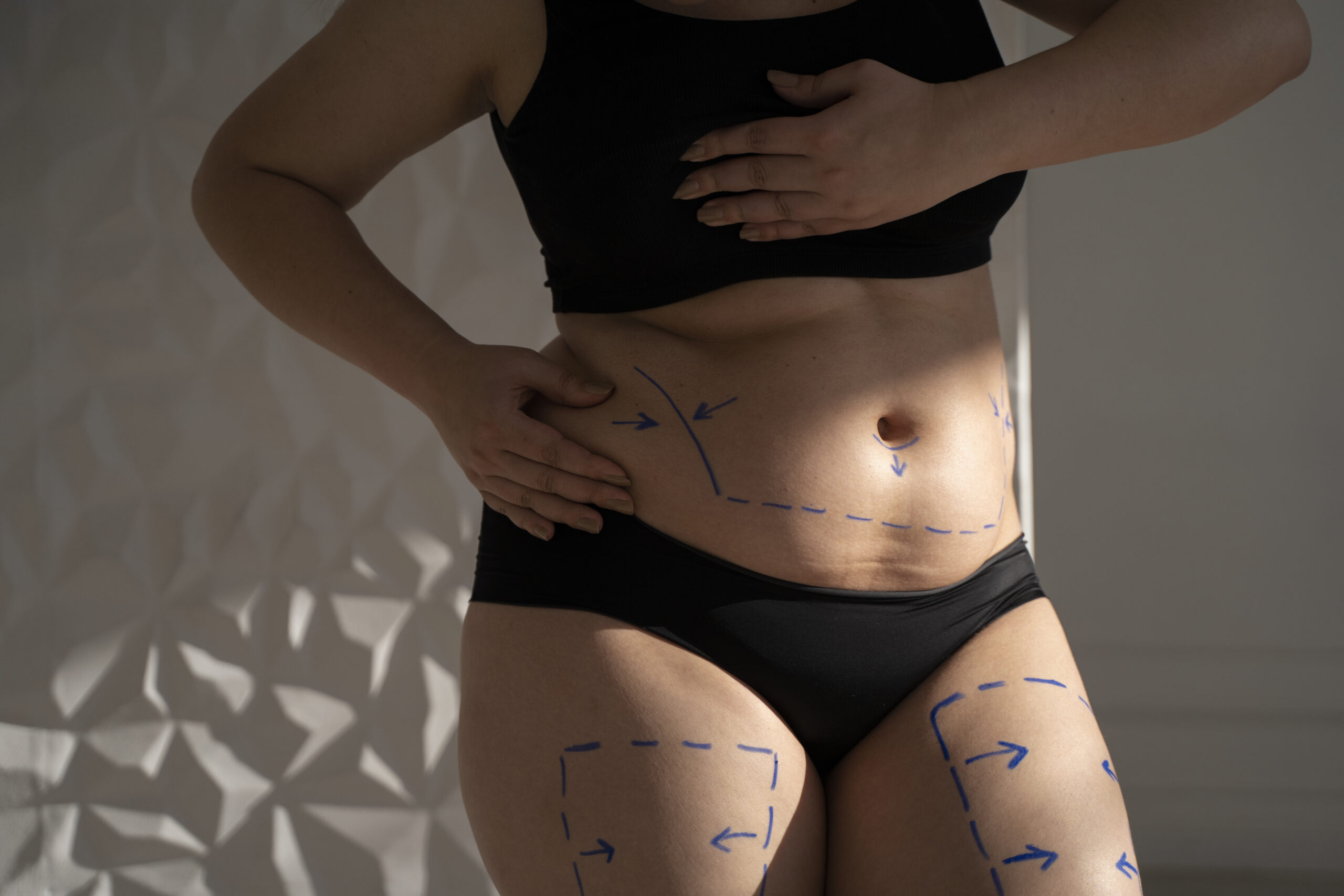
Surgical Treatments
These involve procedures performed under medical supervision to alter the structure or remove excess tissue. Choosing the best plastic surgeon in Mumbai can help ensure that the procedure is carefully assessed and planned according to your individual needs.
Examples:
- Rhinoplasty (nose reshaping)
- Liposuction
- Breast surgery
- Chin liposuction
Non-Surgical Treatments
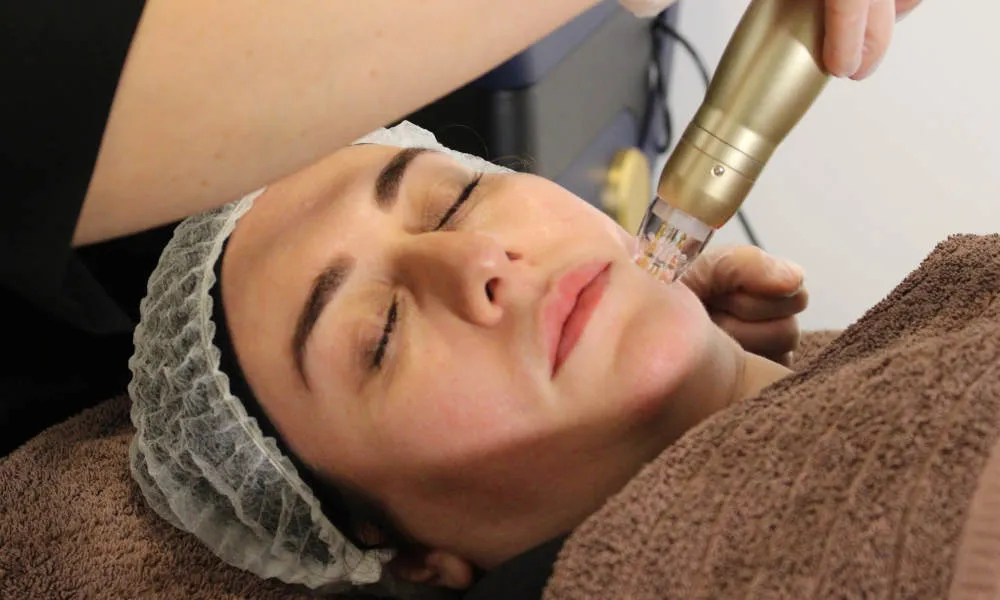
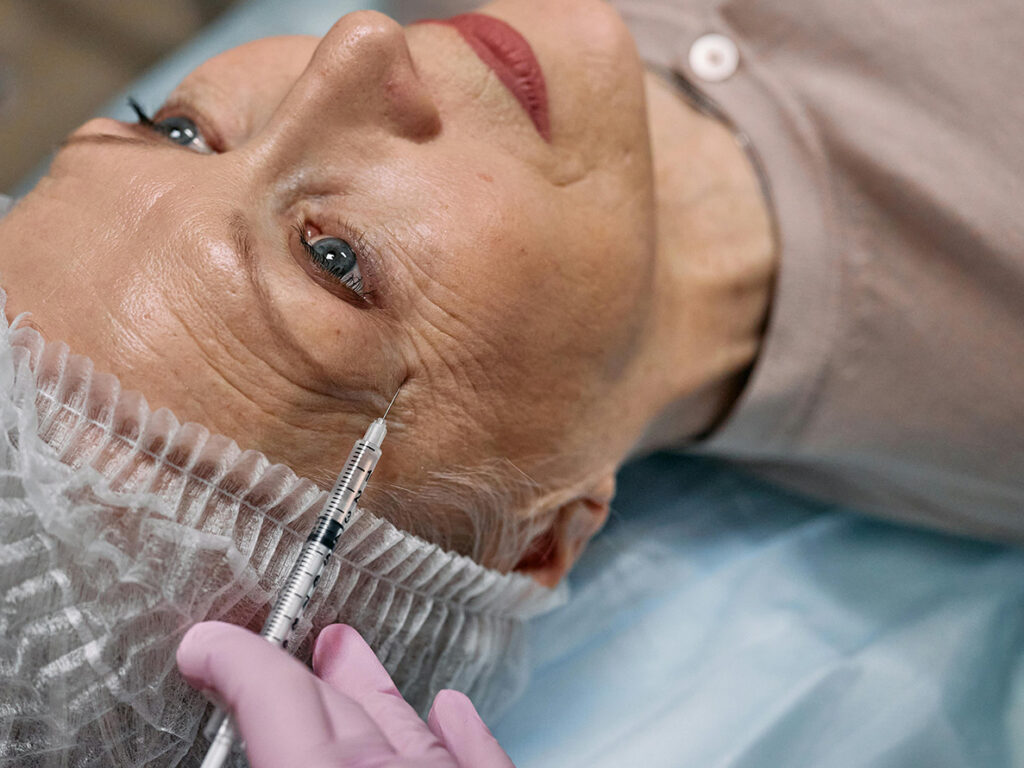
Also known as non-invasive aesthetic treatments, these focus on enhancing appearance without surgery.
Examples:
- Botox and fillers
- Laser treatments
- Chemical peels
- HydraFacial
Surgical vs Non-Surgical: Key Differences
| Factor | Surgical | Non-Surgical |
| Invasiveness | Invasive | Non-Invasive/Minimally Invasive |
| Downtime | Longer Recovery | Little to No Downtime |
| Results | More Dramatic | Subtle to Gradual |
| Longevity | Long Term | Temporary |
| Cost | Higher Upfront | Lower per Session |
1. When Surgical Treatments Are the Better Choice
Surgery is typically recommended when the concern is structural or more advanced.
You may benefit from surgery if:
- There is excess fat or loose skin
- Structural correction is needed (nose, jawline)
- You are looking for long-term, significant change
Advantages:
- More defined and noticeable results
- Long-lasting outcomes
- One-time correction (in many cases)
Things to consider:
- Requires recovery time
- Higher initial investment
- Requires careful planning and consultation
This is where cosmetic surgery vs non-surgical treatments becomes clear—surgery addresses deeper, structural concerns.
2. When Non-Surgical Treatments Are the Right Choice
Non-surgical options are ideal for early-stage concerns and maintenance.
You may choose non-invasive treatments if:
- You want subtle improvements
- Your concerns are mild to moderate
- You prefer minimal downtime
Advantages:
- Quick procedures
- Lower risk
- Gradual, natural-looking results
Limitations:
- Temporary results
- Requires repeat sessions
- Less effective for major structural changes
These are often considered among the best anti-ageing treatments for early signs of ageing. For people considering cosmetic procedures, understanding cosmetic surgery cost in India can help with treatment planning and consultation.
3. Minimally Invasive Procedures: The Middle Ground
There is also a category of minimally invasive procedures that bridge the gap.
Examples:
- Thread lifts
- Advanced fillers
- Collagen stimulation treatments
What they offer:
- More noticeable results than basic treatments
- Less downtime than surgery
These are suitable for patients who want visible improvement without full surgical intervention.
4. Results: What Should You Expect?
Surgical Results
- More defined and permanent changes
- Structural improvement
- Longer-lasting outcomes
Non-Surgical Results
- Subtle refinement
- Improved skin quality
- Gradual improvement over sessions
5. Downtime & Recovery
Surgical:
- Swelling and healing phase
- Recovery ranging from days to weeks
Non-Surgical:
- Minimal to no downtime
- Resume routine quickly
Your lifestyle and schedule often influence this decision.
6. Longevity of Results
Surgical Treatments:
- Long-lasting (years or permanent in some cases)
Non-Surgical Treatments:
- Temporary (months to a year, depending on treatment)
- Requires maintenance
7. Cost Consideration
Surgical:
- Higher upfront cost
- Fewer repeat procedures
Non-Surgical:
- Lower per session
- Ongoing maintenance cost
The choice depends on whether you prefer long-term investment vs gradual spending.
8. Safety & Suitability
Both options are safe when performed by experienced professionals—but suitability varies.
Factors that determine choice:
- Age and skin condition
- Type of concern (surface vs structural)
- Medical history
- Expectations
A proper consultation is essential to determine who is a good candidate for cosmetic treatments.
9. Common Mistakes to Avoid
- Choosing non-surgical treatments for structural problems
- Avoiding surgery due to fear without understanding the benefits
- Expecting surgical-level results from non-invasive treatments
- Making decisions based only on cost
These often lead to dissatisfaction or ineffective treatment outcomes.
10. How to Decide What’s Right for You
Instead of asking “Which is better?”, ask:
- What is the depth of my concern?
- Am I looking for subtle or significant change?
- Can I commit to downtime?
- Do I prefer long-term or maintenance-based results?
Conclusion
There is no universal answer in the surgical vs non-surgical cosmetic treatments debate.
- Surgery is best for structural, long-term correction
- Non-surgical treatments are ideal for early concerns and maintenance
- Minimally invasive procedures offer a balance between the two
The right choice depends on your concern, expectations, and lifestyle.
At My Aesthetic+, every recommendation is based on a detailed evaluation—ensuring that whether surgical or non-surgical, the approach is personalised, safe, and aligned with your goals.