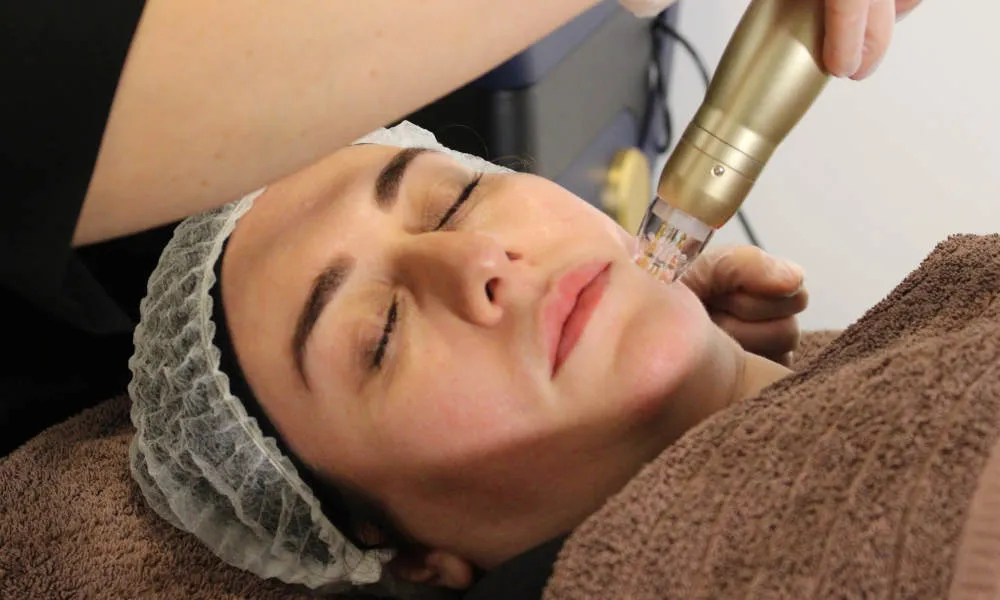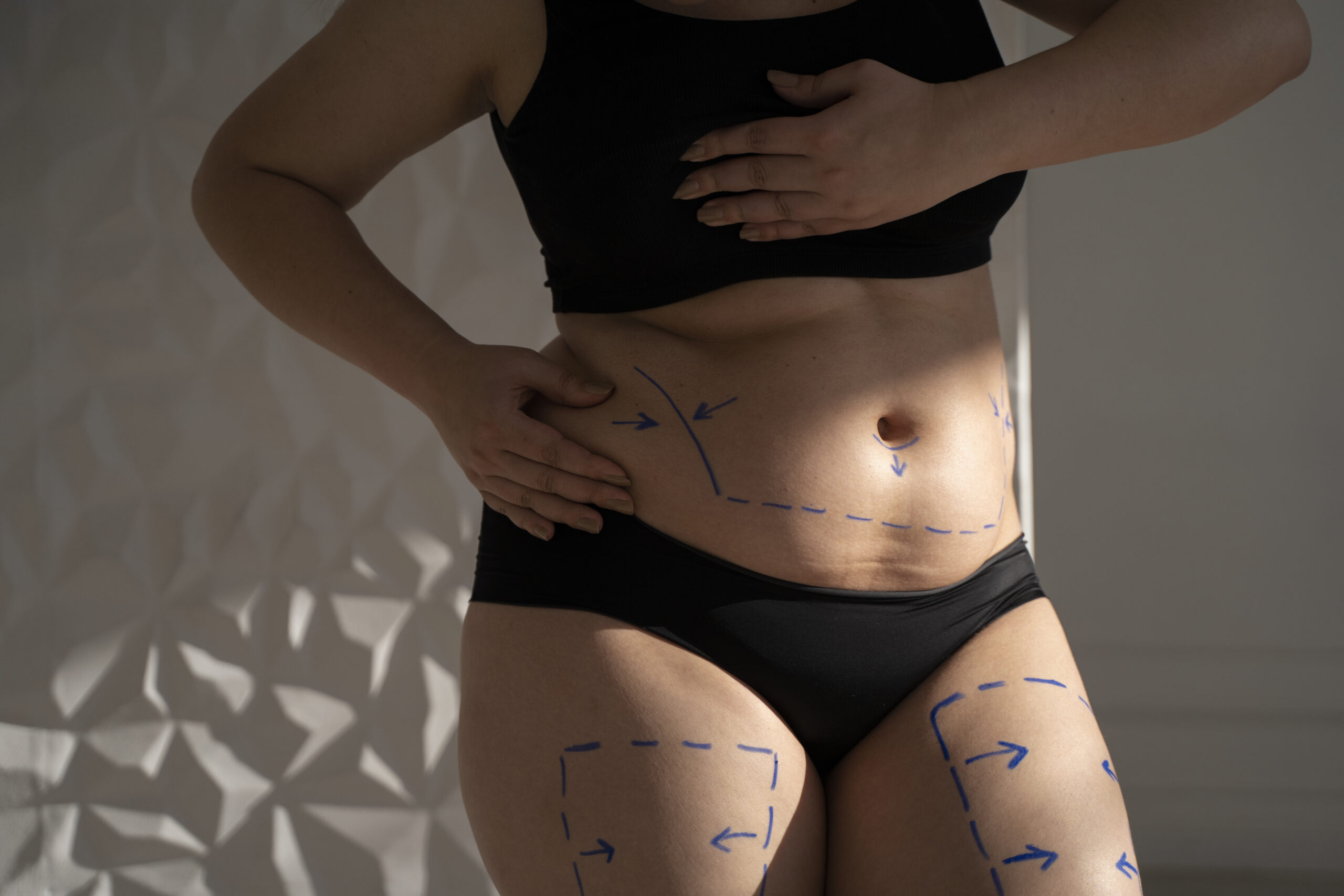


Aesthetic treatments are not one-size-fits-all, especially when it comes to Indian skin. While many global treatment protocols are standardised, applying them without adaptation can lead to ineffective results or even complications.
Understanding the unique characteristics of Indian skin is essential for designing treatments that are safe, effective, and long-lasting.
What Makes Indian Skin Different?
Indian skin typically falls under Fitzpatrick skin types IV to VI, which means it has:
- Higher melanin content
- Greater tendency for pigmentation
- Stronger response to inflammation
- Different ageing patterns
These factors directly influence how the skin reacts to lasers, peels, injectables, and surgical procedures.
1. Higher Risk of Pigmentation
One of the most important differences is the skin’s tendency to develop pigmentation, making pigmentation treatment in Mumbai a useful option for addressing uneven skin tone and dark spots.
Why does this happen?
- Melanin-producing cells (melanocytes) are more active
- Skin reacts quickly to irritation or injury
What this means for treatments:
- Aggressive lasers or peels can trigger post-inflammatory hyperpigmentation (PIH)
- Even minor irritation can lead to dark patches
Approach required:
- Controlled, gradual treatment protocols
- Pre- and post-treatment pigmentation management
- Careful selection of energy-based devices
2. Stronger Inflammatory Response
Indian skin tends to respond more intensely to trauma.
Examples:
- Acne leading to pigmentation or scars
- Minor procedures causing prolonged redness or darkening
Impact on aesthetic treatments:
- Higher risk of complications if treatments are too aggressive
- Slower visible improvement if inflammation is not managed
Correct approach:
- Focus on reducing inflammation first
- Avoid over-treatment
- Space out sessions appropriately
3. Skin Barrier Sensitivity
Contrary to common belief, Indian skin is not always “thick” or resistant it can be highly sensitive when over-treated. This is especially important to consider when exploring skin whitening treatment in India, as treatments should be carefully selected and performed according to individual skin type and concerns.
Common issues:
- Overuse of actives (retinol, acids)
- Frequent exfoliation
- Mixing multiple treatments
Result:
- Compromised barrier
- Increased sensitivity
- Poor response to treatments
What works better:
- Barrier repair before aggressive treatments
- Balanced skincare routines
- Minimal but targeted interventions
4. Different Ageing Patterns
Indian skin tends to age differently compared to lighter skin types.
Typical patterns:
- Slower wrinkle formation
- More pigmentation-related ageing
- Volume loss appears later
Implication:
- Treatments should focus more on:
- Pigmentation control
- Skin quality improvement
- Texture refinement
Rather than only wrinkle-focused treatments.
5. Acne and Scarring Tendencies
Acne in Indian skin often leads to long-term marks and scarring.
Why:
- Increased melanin response
- Delayed healing in some cases
Treatment challenges:
- Risk of worsening pigmentation
- Need for staged, cautious treatments
Ideal approach:
- Treat active acne first
- Gradually address pigmentation and scars
- Avoid aggressive, one-time solutions
6. Laser Treatments Require Customisation
Not all laser settings are suitable for Indian skin.
Risks with incorrect settings:
- Burns
- Hyperpigmentation
- Uneven results
What should be done:
- Use Indian-skin-safe wavelengths
- Adjust energy levels carefully
- Perform patch testing where required
This is why choosing the right clinic is critical.
7. Climate and Environmental Factors
Indian conditions also play a role in skin behaviour.
Key factors:
- High UV exposure
- Pollution
- Humidity variations
Impact:
- Faster pigmentation recurrence
- Increased skin sensitivity
- Need for stronger sun protection
Adaptation:
- Strict sunscreen usage
- Antioxidant-based skincare
- Maintenance treatments
8. Cultural Skincare Practices
Many patients combine clinical treatments with home remedies or over-the-counter products.
Common issues:
- Mixing active ingredients incorrectly
- Using harsh DIY remedies
- Inconsistent routines
Effect:
- Reduced treatment effectiveness
- Increased irritation
Solution:
- Simplified, doctor-guided skincare plans
- Clear instructions on what to avoid
9. Why Global Protocols Don’t Always Work
Many aesthetic treatments are developed based on lighter skin types.
Limitations:
- Higher risk when directly applied to Indian skin
- Inadequate consideration of pigmentation risk
- Over-aggressive protocols
What’s needed:
- Modified techniques
- Lower intensities
- Gradual treatment progression
10. The Right Approach for Indian Skin
To achieve safe and effective results, treatments must be:
- Personalised
Based on your skin type, concern, and lifestyle.
- Gradual
Focused on long-term improvement, not instant results.
- Protective
Minimising risk of pigmentation and damage.
- Balanced
Combining clinic treatments with proper home care.
Conclusion
Indian skin requires a thoughtful, customised approach to aesthetic treatments. What works for one skin type may not work for another, and in some cases, can even cause harm.
Understanding these differences ensures:
- Better safety
- More consistent results
- Long-term skin health
At My Aesthetic+, treatments are tailored specifically for Indian skin. We understand the treatment’s unique behaviour, risks, and response patterns, so results are not just visible, but sustainable.