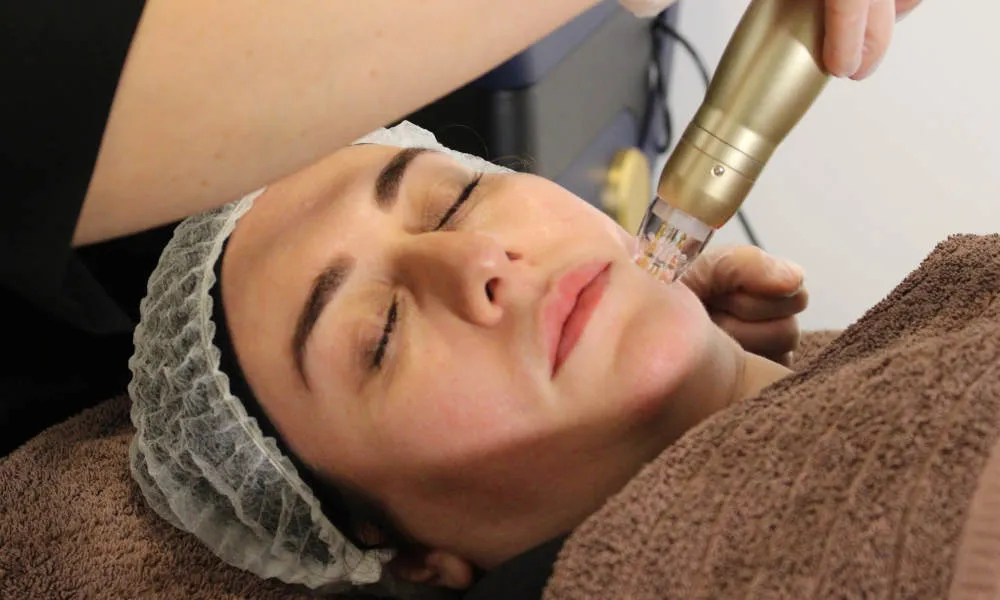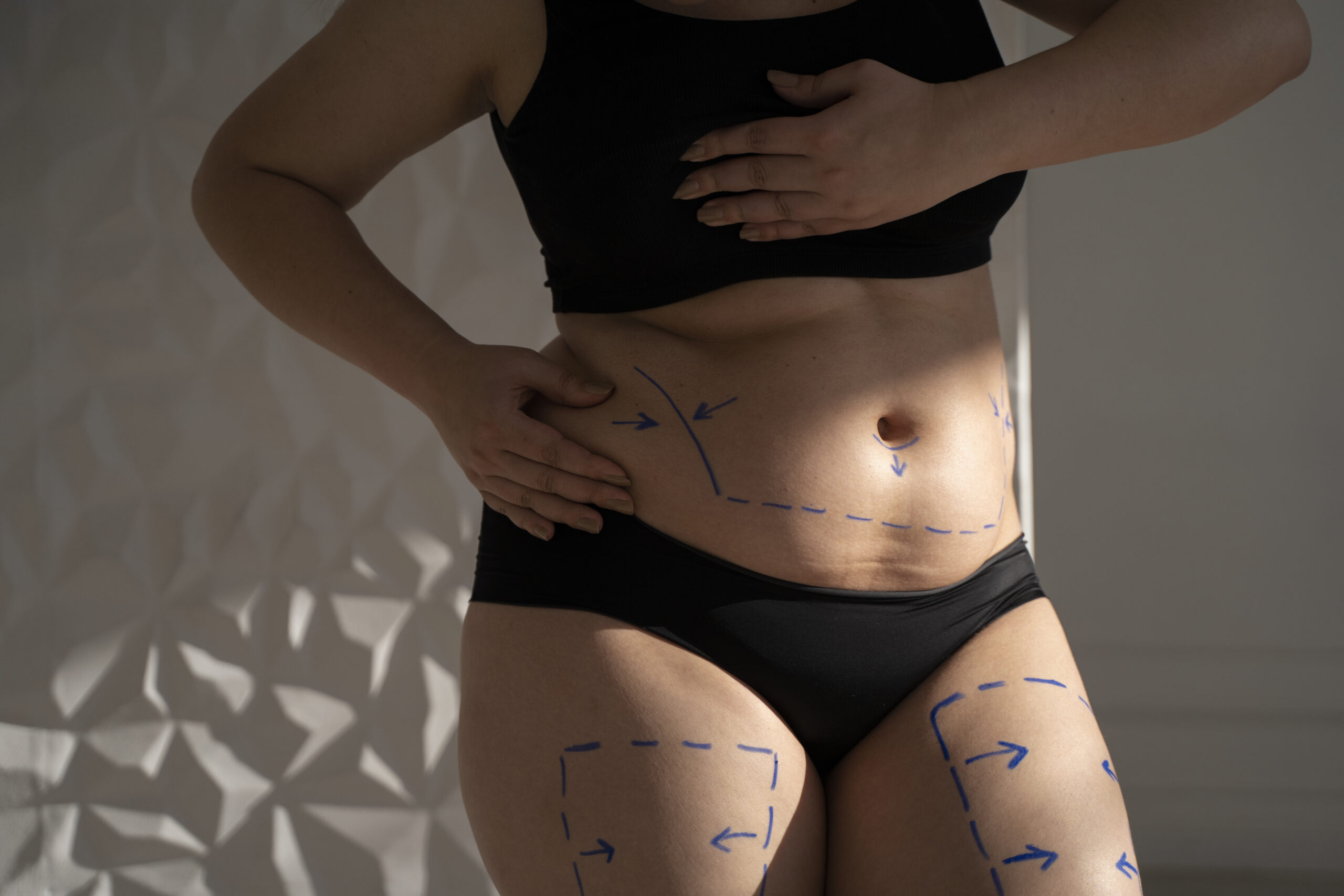
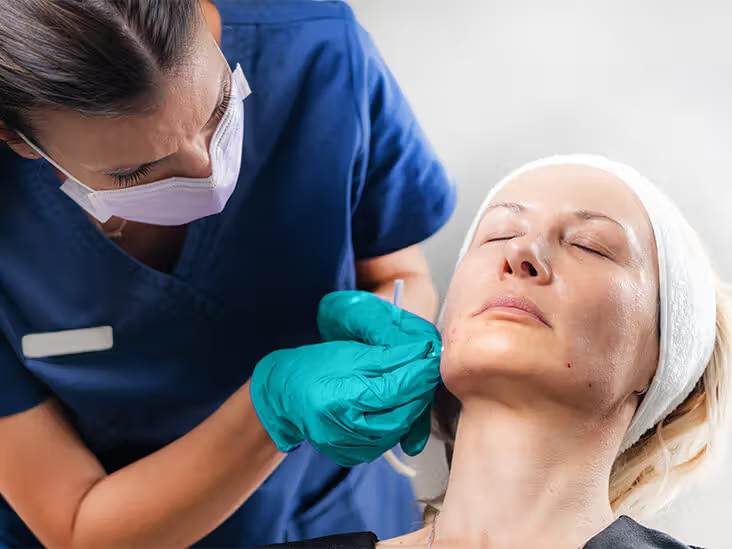
Recognising facelift signs helps you determine the right time for surgical intervention. Many people wonder when to get a facelift versus continuing with injectables. Understanding non-surgical vs surgical facelift options clarifies your choices. Assessing facelift candidacy requires an honest evaluation of your concerns. Let’s explore the signs of ageing face that indicate non-surgical treatments may no longer suffice, and when a facelift becomes the most effective solution.
Understanding Facial Ageing
Signs of ageing face progress predictably
The Aging Process
Volume Loss
Fat pads descend and diminish. Cheeks flatten over time. Under-eye hollows deepen. Temples become hollow.
Skin Laxity
Collagen production decreases. Elasticity diminishes progressively. Gravity pulls tissue downward. Skin loosens and sags.
Structural Changes
Bone resorption occurs. Facial proportions shift. Jaw definition weakens. Neck skin loosens.
Surface Changes
Wrinkles deepen significantly. Texture becomes uneven. Pigmentation appears. Sun damage accumulates.
When Non-Surgical Treatments Work
Early Ageing
Fine lines and minor volume loss. Minimal skin laxity. Good skin elasticity. Preventive maintenance.
Effective Options
- Botox for expression lines
- Fillers for volume restoration
- Laser treatments for texture
- Chemical peels for surface renewal
- Skin tightening devices
Limitations
Cannot address significant sagging. Limited lifting capability. Temporary results requiring maintenance. Cannot remove excess skin.
Clear Facelift Signs
Facelift candidacy indicators
Sign 1 Significant Jowling
What It Looks Like
Sagging along the jawline. Loss of jaw definition. Tissue hanging below the jawbone. Blurred jaw-to-neck transition.
Why Fillers Don’t Work
Adding volume worsens heaviness. Cannot lift the descended tissue. May create an unnatural appearance. Surgical repositioning is needed.
Facelift Solution
Removes excess tissue. Repositions deeper structures. Restores jaw definition. Creates lasting improvement.
Sign 2 Deep Nasolabial Folds
What They Are
Deep creases from the nose to the corners of the mouth. Become pronounced at rest. Worse when smiling. Make you look older and tired.
When Fillers Stop Working
Require excessive product volume. Results look puffy. Temporary improvement only. Underlying laxity remains.
Facelift Advantage
Addresses root cause. Lifts descended cheek tissue. Reduces fold depth naturally. Long-lasting correction.
Sign 3 Loose Neck Skin and Bands
Turkey Neck
Hanging skin under the chin. Visible platysma bands. Loss of neck contour. Undefined chin-to-neck angle.
Non-Surgical Limitations
Cannot remove excess skin. Bands require surgical repair. Limited tightening possible. Temporary improvements only.
Neck Lift Benefits
Removes excess skin. Tightens the platysma muscle. Defines jawline sharply. Dramatic, lasting results.
Sign 4 Marionette Lines and Oral Commissures
Appearance
Lines from the mouth corners downward. Downturned mouth corners. Creates a sad or angry expression. Age’s appearance has changed significantly.
Filler Challenges
Require multiple syringes. Can look unnatural. Temporary results. Doesn’t address tissue descent.
Surgical Correction
Lifts descended tissue. Repositions mouth corners. Natural expression restored. Permanent improvement.
Sign 5 Mid-Face Descent
What Happens
Cheeks flatten and descend. Under-eye hollows deepen. Tear troughs become prominent. Face appears gaunt or tired.
Volume Limitations
Excessive filler needed. Can look overfilled. Doesn’t lift tissue. Addresses symptom, not cause.
Mid-Facelift Solution
Repositions fat pads. Restores youthful contours. Natural volume distribution. Lasting enhancement.
Sign 6 Excess Skin
Where It Occurs
Along the jawline and neck. Under the chin area. Lower face generally. Cannot be hidden.
No Non-Surgical Option
Skin removal requires surgery. Tightening devices have limits. Only a facelift removes excess. This is an absolute indication.
Sign 7 Facial Asymmetry from Ageing
Uneven Descent
One side sags more. Asymmetric jowls. Uneven nasolabial folds. Progressive imbalance.
Filler Limitations
Temporary balancing only. Doesn’t address structure. Can worsen with overcorrection. Surgical precision needed.
Surgical Advantage
Addresses both sides surgically. Creates symmetry. Long-lasting balance. Comprehensive correction.
Non Surgical vs Surgical Facelift
Understanding your options
Choosing the Right Treatment
When evaluating your options for facial rejuvenation, understanding when to consider facelift surgery in Mumbai versus opting for a non surgical facelift Mumbai ensures you choose the procedure best suited to your level of skin laxity and aesthetic goals.
Non-Surgical Approaches
Thread Lifts
How They Work
Dissolvable sutures lift tissue. Minimal downtime. Temporary to semi-permanent. Modest improvement.
Best For
Mild laxity. Younger patients. Those avoiding surgery. Temporary solution.
Limitations
Cannot remove skin. Results last 1-2 years. Not for significant sagging. May need repeating.
Injectable Treatments
Fillers and Botox
Restore volume. Relax muscles. Improve contours temporarily. Maintain results.
Best For
Early ageing. Good skin quality. Specific concerns. Prevention.
Limitations
Require ongoing maintenance. Can’t address excess skin. Temporary results only. Costs accumulate.
Energy-Based Treatments
Ultherapy, RF, Laser
Stimulate collagen. Mild tightening effect. No downtime. Gradual results.
Best For
Mild laxity. Skin quality improvement. Maintenance. Preventive care.
Limitations
Subtle results. Multiple sessions needed. Temporary benefits. Cannot lift significantly.
Surgical Facelift
What It Addresses
Comprehensive Correction
Removes excess skin. Repositions deeper structures. Tightens muscles. Long-lasting results.
Types
- Traditional full facelift
- Mid-facelift
- Mini facelift
- Neck lift
- Combined procedures
Best For
Moderate to severe ageing. Significant skin laxity. Desire for dramatic improvement. Long-term solution.
Advantages
Permanent structural changes. Dramatic improvement. One recovery period. Cost-effective long-term.
Recovery
2-3 weeks social downtime. 4-6 weeks of full activities. Results last 7-10+ years. Worth the investment.
When to Get a Facelift
Facelift candidacy timing considerations
Age Factors
Typical Age Range
40s to 70s most common. Some earlier with genetics. Never “too old” if healthy.
Not Just Age
The degree of ageing matters more. Individual variation significant. Genetics plays a major role.
Physical Indicators
Moderate to Severe
- Significant jowling present
- Deep nasolabial folds
- Loose neck skin
- Excess skin visible
- Mid-face descent
- Loss of definition
Mild Ageing
Non-surgical options still effective. Wait for better timing. Preventive measures work.
Lifestyle Considerations
Career and Social
Can accommodate recovery time. Important events are planned around. Professional obligations considered.
Support System
Help is available during recovery. Transportation arranged. Emotional support present.
Financial Readiness
Can afford the procedure. Savings available. Not financially stressful. Worth investment.
Health Requirements
Good Overall Health
No major medical issues. Cleared by physician. Healthy lifestyle. Non-smoker.
Realistic Expectations
Understanding outcome possibilities. Accepting limitations. Focused on improvement, not perfection.
Making the Decision
Evaluating facelift signs honestly
Self-Assessment Questions
Physical
- Are my concerns bothering me daily?
- Have fillers stopped being effective?
- Is excess skin visible?
- Do I avoid photos?
- Does my reflection disappoint me?
Emotional
- Is this for me, not others?
- Are my expectations realistic?
- Am I ready for recovery?
- Can I be patient with healing?
- Will I follow instructions?
Practical
- Can I afford the procedure?
- Can I take time off?
- Do I have support?
- Is timing appropriate?
- Have I researched surgeons?
Consultation Importance
Professional Evaluation
Expert assessment of your concerns. Realistic treatment recommendations. Honest discussion of options.
What to Expect
- Comprehensive facial analysis
- Discussion of goals
- Treatment options explained
- Before/after photos reviewed
- Questions answered thoroughly
Questions to Ask
- Am I a good candidate?
- What procedure do you recommend?
- What results are realistic?
- What’s the recovery like?
- What are the risks?
- How long do results last?
- What’s your experience level?
Red Flags
- Surgeon pushes surgery unnecessarily
- Promises perfect results
- Dismisses your concerns
- No discussion of alternatives
- Unclear about experience
Combining Treatments
Facelift candidacy may include multiple procedures
Complementary Procedures
Eyelid Surgery
Addresses the upper face. Completes rejuvenation. Single recovery. Comprehensive improvement.
Brow Lift
Raises sagging brows. Opens the eye area. Smooths forehead. Balances facelift.
Fat Grafting
Restores volume naturally. Enhances facelift results. Uses its own tissue. Long-lasting.
Skin Resurfacing
Improves texture and tone. Addresses surface issues. Enhances overall result. Can be staged.
Timing Considerations
Simultaneous
Single recovery period. Comprehensive results. Cost savings. Longer surgery.
Staged
Multiple recoveries needed. Gradual transformation. Less overwhelming. Budget-friendly.
Long-Term Perspective
When to get a facelift for optimal value
Earlier vs Later
Earlier Benefits
Less extensive surgery is needed for better skin quality, faster recovery and more natural results.
Later Considerations
More dramatic improvement is addressed to accumulated ageing. Still excellent results possible.
Cost-Benefit Analysis
Surgical Investment
High upfront cost. Results last 7-10+ years. One recovery period.
Non-Surgical Accumulation
Lower per-session cost. Requires regular maintenance. Costs accumulate over the years. No permanent improvement.
10-Year Comparison
Facelift
₹3,00,000-₹6,00,000 once. Results for the entire decade. Minimal maintenance needed.
Non-Surgical
₹1,00,000-₹2,00,000 yearly. Temporary results. Continuous investment. Total ₹10,00,000-₹20,00,000.
At My Aesthetic Plus, we provide an honest assessment of facelift signs and candidacy. Our experienced surgeons explain when to get a facelift based on individual needs. We discuss non-surgical vs surgical facelift options comprehensively. Our thorough evaluation determines facelift candidacy accurately. We identify signs of ageing on the face that indicate surgical intervention for optimal results.
Conclusion
Recognising facelift signs helps you make informed decisions. Understanding when to get a facelift depends on multiple factors. Comparing non-surgical vs surgical facelift options clarifies choices. Accurate facelift candidacy assessment requires professional evaluation. Key signs of ageing face include significant jowling, excess skin, and tissue descent that non-surgical treatments cannot adequately address. If you’re experiencing moderate to severe facial ageing, good health, and realistic expectations, a facelift consultation is worthwhile. The right timing balances physical indicators, emotional readiness, and practical considerations for optimal long-term results.
Noticing facelift signs in your reflection? Schedule a consultation at My Aesthetic Plus. Our expert plastic surgeons will assess your facelift candidacy, explain when to get a facelift based on your unique situation, and discuss both non-surgical vs surgical facelift options to address your specific signs of ageing face.