
Men at this time, where appearance and confidence are very closely connected, are becoming more and more conscious of their physique and the image it creates in the public. Self esteem is surely affected by fitness, fasPigmentation concerns are among the most common skin issues in Indian skin, affecting people across age groups and genders. From dark spots and uneven skin tone to stubborn melasma, pigmentation can be frustrating, especially when it keeps returning despite skincare efforts.
Indian skin is beautiful and resilient, but it is also more prone to pigmentation due to higher melanin levels and environmental factors. Understanding why pigmentation occurs, how to prevent it, and which advanced treatments actually work is the first step toward clearer, more even-toned skin.
Why Is Pigmentation More Common in Indian Skin?
Indian skin typically falls under Fitzpatrick skin types IV–V, which means it contains more melanin. While melanin protects against sun damage, it also reacts more strongly to triggers, leading to pigmentation.
Common causes of pigmentation in Indian skin include:
- Improper skincare or treatments: Over-exfoliation, harsh products, or unregulated procedures can worsen pigmentation.
- Sun exposure: UV rays stimulate excess melanin production, leading to tanning, dark spots, and melasma.
- Hormonal changes: Pregnancy, PCOS, thyroid imbalance, and oral contraceptives can trigger melasma and facial pigmentation.
- Post-inflammatory pigmentation (PIH): Acne, burns, rashes, or aggressive treatments can leave behind dark marks.
- Genetics: Some individuals are genetically predisposed to pigmentation issues.
Common Types of Pigmentation Seen in Indian Skin
Understanding the type of pigmentation helps determine the right treatment approach. Consulting a qualified team at a best cosmetic surgery clinic in Navi Mumbai can help you explore suitable treatment options based on your skin concerns.
- Melasma
- Brown or greyish patches, commonly on the cheeks, forehead, and upper lip
- Often linked to hormones and sun exposure
- Sun Spots & Tanning
- Caused by chronic UV exposure
- Common on the face, neck, hands, and arms
- Post-Acne Marks
- Dark spots left behind after pimples heal
- Very common in acne-prone Indian skin
- Uneven Skin Tone
- Diffuse pigmentation gives skin a dull, patchy appearance
Pigmentation Prevention: What Actually Works
There are several aesthetic clinics that offer male breast enlargement problem correction and My Aesthetic Plus is one with a strong reputation of safety, hygiene and professionality with medicWhile pigmentation can’t always be avoided, consistent preventive care significantly reduces its severity.
- Daily Sun Protection
- This is non-negotiable.
- Use broad-spectrum sunscreen SPF 30–50+ daily
- Reapply every 2–3 hours if outdoors
- Even indoor exposure and cloudy days matter
Sun protection is the most important step in preventing pigmentation in Indian skin.
- Gentle Skincare Routine
Avoid harsh scrubs and excessive exfoliation.
- Use mild cleansers
- Exfoliate only 2–3 times a week
- Focus on barrier-repair moisturisers
Healthy skin heals better and pigments less.
- Avoid Self-Treatment
DIY remedies, steroid creams, or unverified “brightening” products often worsen pigmentation long-term.
Professional guidance is key.
Advanced Pigmentation Treatments That Work
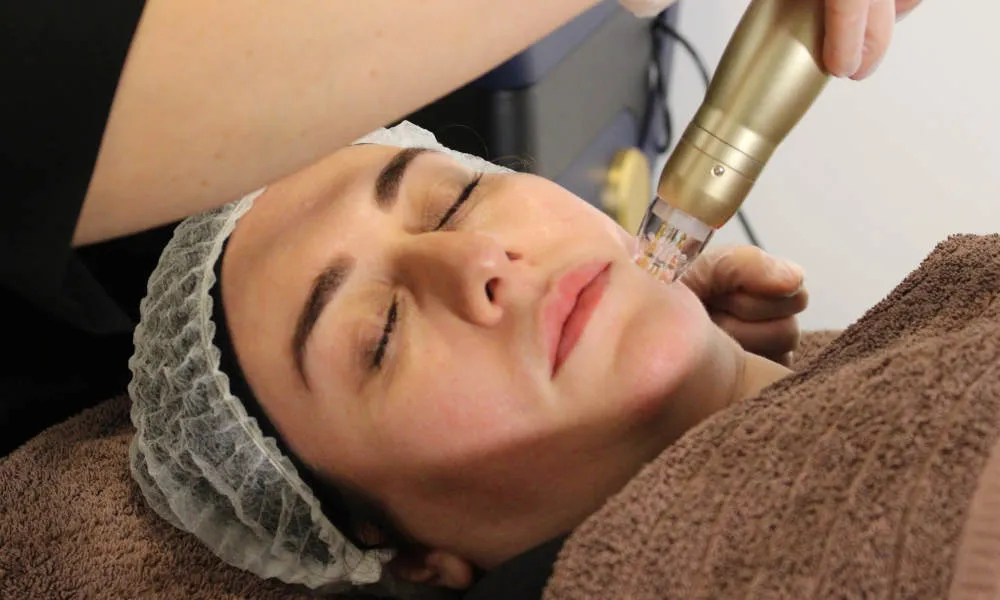
When topical care isn’t enough, advanced dermatological treatments can safely and effectively target pigmentation-especially when tailored for Indian skin.
- Chemical Peels
Medical-grade chemical peels help exfoliate pigmented layers and stimulate renewal.
Best for:
- Sun damage
- Acne marks
- Uneven skin tone
When chosen correctly, peels are safe for Indian skin and improve clarity over time.
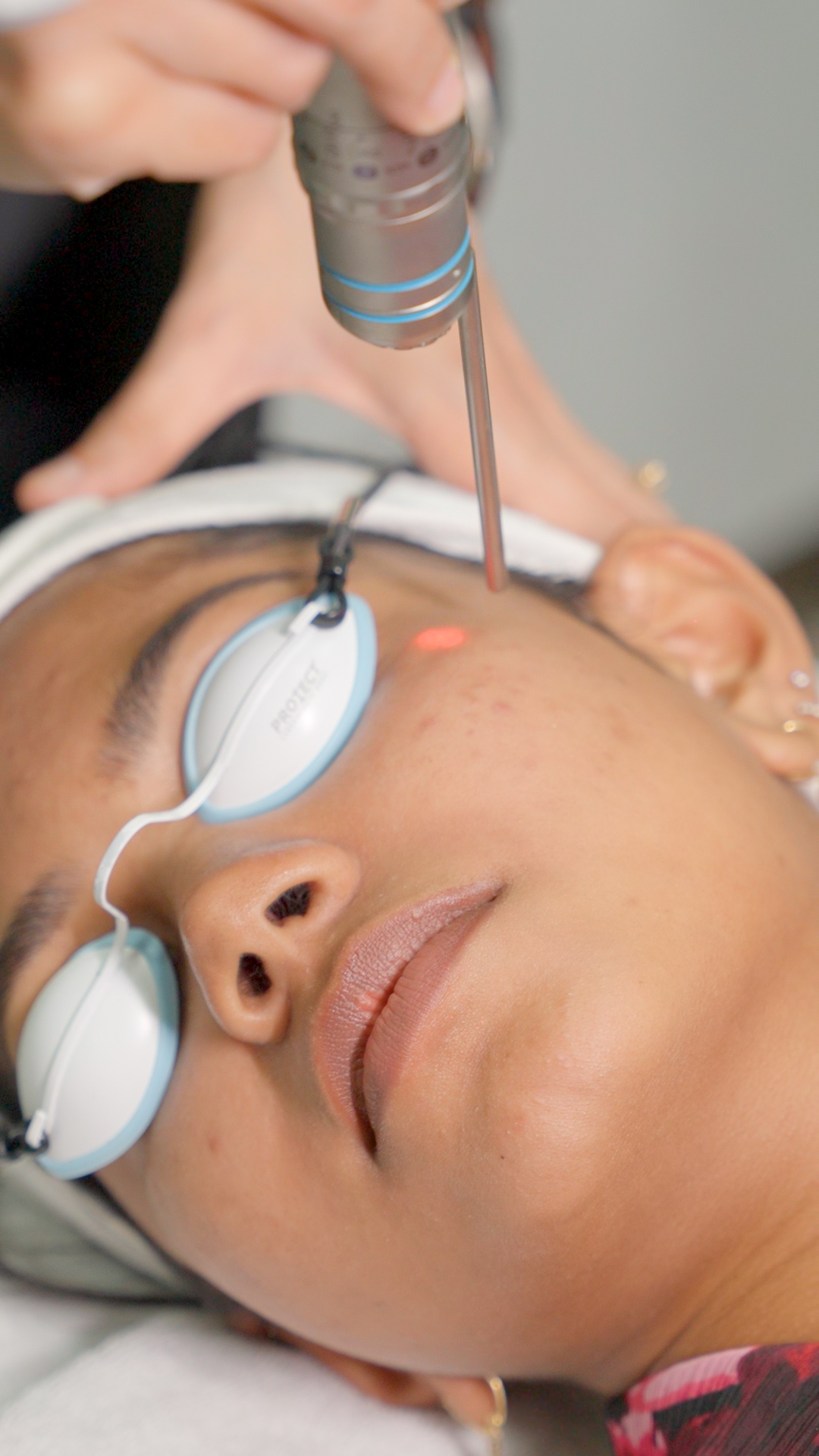
- Laser Pigmentation Treatments
Technologies like Q-Switch Laser target excess melanin without damaging surrounding skin.
Best for:
- Deep pigmentation
- Melasma (under strict protocols)
- Stubborn dark spots
Laser treatments must always be performed by experienced professionals for Indian skin types.
- Medical Facials & Skin Rejuvenation
Advanced facials combine exfoliation, hydration, and antioxidant infusion.
Best for:
- Dull and uneven skin
- Early pigmentation
- Maintenance after laser or peels
- Combination Treatment Plans
Pigmentation often requires a multi-step approach, combining:
- In-clinic treatments
- Prescription skincare
- Strict sun protection
- Lifestyle modifications
This holistic approach delivers safer and longer-lasting results.
Why Pigmentation Needs a Personalised Approach
Pigmentation in Indian skin is complex. Treating all pigmentation the same way can lead to rebound darkening or sensitivity.
That’s why professional evaluation is essential to assess:
- Depth of pigmentation
- Skin sensitivity
- Underlying triggers
- Past treatment history
At My Aesthetic+, pigmentation treatments are customised to your skin type, lifestyle, and long-term skin health and not quick fixes.
Final Thought
Pigmentation issues in Indian skin are common, but they are also manageable and treatable with the right approach. Prevention, patience, and professional care make all the difference.
Clear, even-toned skin isn’t about aggressive treatments; it’s about understanding your skin and supporting it correctly.
IIf you’re struggling with pigmentation, a personalised consultation at a top rated aesthetic clinic in Mumbai can help identify the cause and design a treatment plan that works safely for your skin.
At My Aesthetic+, we combine expertise, advanced technology, and ethical care to help your skin heal, brighten, and stay healthy naturally.