Scars are a natural part of the healing process, but sometimes they can be more noticeable, uncomfortable, or restrictive than expected. While most scars fade over time, some remain thick, wide, raised, or irregular in shape. Scar revision surgery is a specialized procedure designed to improve the appearance and function of scars. Understanding when this surgery is needed and what to expect can help patients make informed decisions about their treatment.
Understanding Scar Revision Surgery
Scar revision surgery involves modifying an existing scar to make it less visible, more flexible, or functionally improved. The procedure can address scars caused by injuries, burns, surgery, acne, or Scar revision surgery involves modifying an existing scar to make it less visible, more flexible, or functionally improved. The procedure can address scars caused by injuries, burns, surgery, acne, or other skin conditions. Scar revision surgery in Mumbai focuses on improving the appearance and function of damaged skin condition
The goal of scar revision is not to remove the scar entirely, as this is usually impossible. Instead, the procedure aims to make scars smaller, smoother, and less noticeable while improving the surrounding skin’s texture and function.
Signs That Scar Revision Surgery May Be Needed
Not all scars require surgery. Many minor scars fade naturally or respond to non-surgical treatments like creams, silicone sheets, or laser therapy. However, scar revision surgery may be needed in certain situations.
Scars that are raised, thick, or irregularly shaped may benefit from revision. Scars that restrict movement, such as contracture scars near joints, may interfere with daily activities and require surgical intervention. Painful or itchy scars that do not improve with conservative treatments can also be candidates for scar revision.
Additionally, scars that affect appearance and self-confidence, especially those on the face, neck, or hands, may be considered for surgery. In these cases, improving the aesthetic outcome can have a significant emotional and psychological impact.
Types of Scars Treated with Scar Revision
Scar revision can address several types of scars, including hypertrophic scars, keloid scars, contracture scars, and atrophic scars.
Hypertrophic scars are raised but confined to the boundaries of the wound. They may improve naturally, but surgery can reduce thickness and improve appearance.
Keloid scars grow beyond the original wound area and can continue to enlarge over time. Surgical revision is often combined with other treatments such as steroid injections or laser therapy to prevent recurrence.
Contracture scars result from burns or large wounds and tighten the skin, limiting movement. Surgery can release tension and restore flexibility.
Atrophic scars, such as those from acne, appear sunken or depressed. Surgical techniques may include skin grafting, fillers, or tissue rearrangement to improve the skin’s surface.
Timing of Scar Revision Surgery
Timing is important for successful scar revision. In general, it is recommended to wait until the scar has matured, which can take 6 to 12 months after the initial injury or surgery. Mature scars are less red, firmer, and more stable, allowing the surgeon to plan the best approach.
In some cases, early intervention may be considered for scars that are causing functional problems, such as contracture scars restricting joint movement. Your surgeon will evaluate the scar’s age, type, and overall condition to determine the optimal timing for surgery.
The Scar Revision Procedure
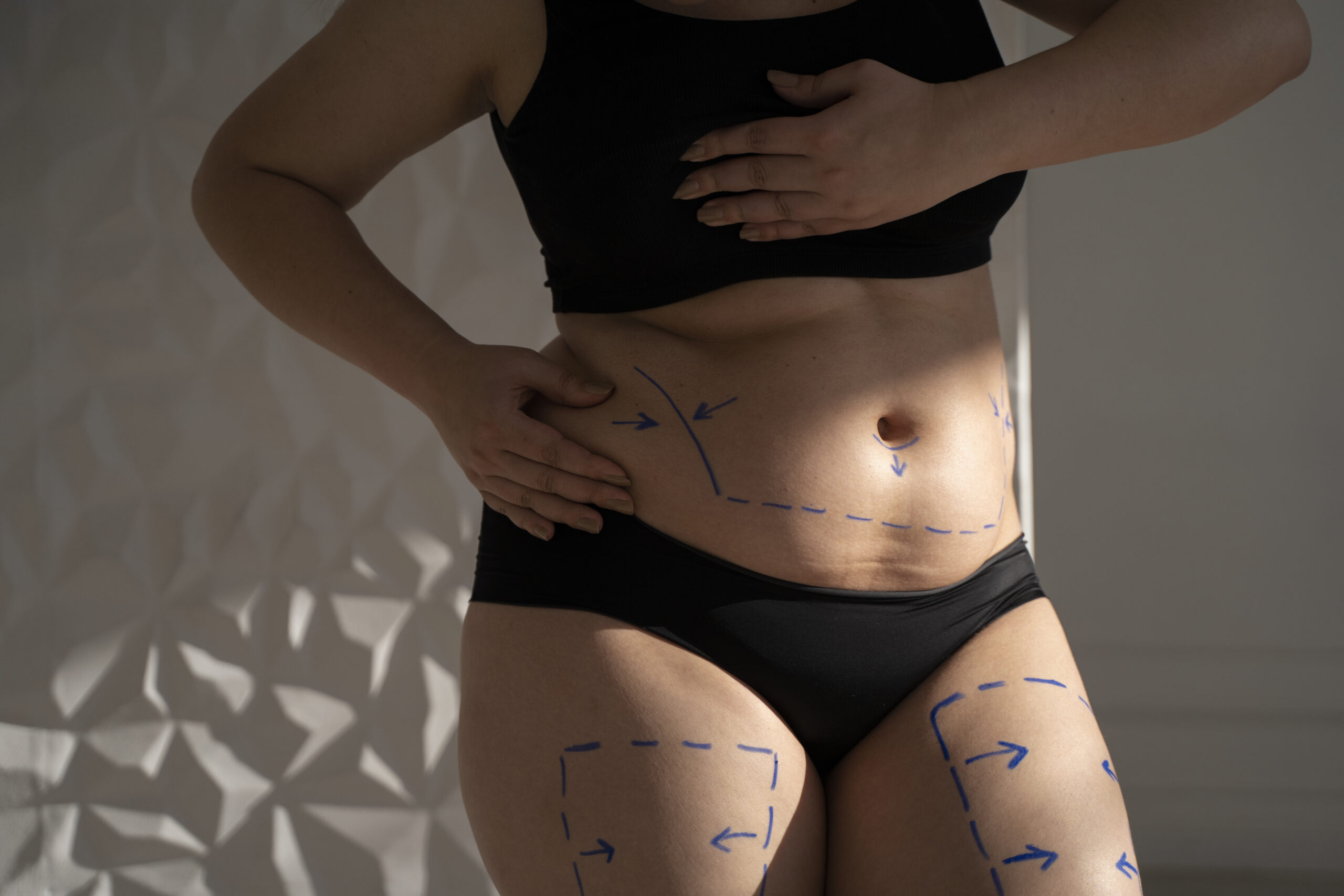
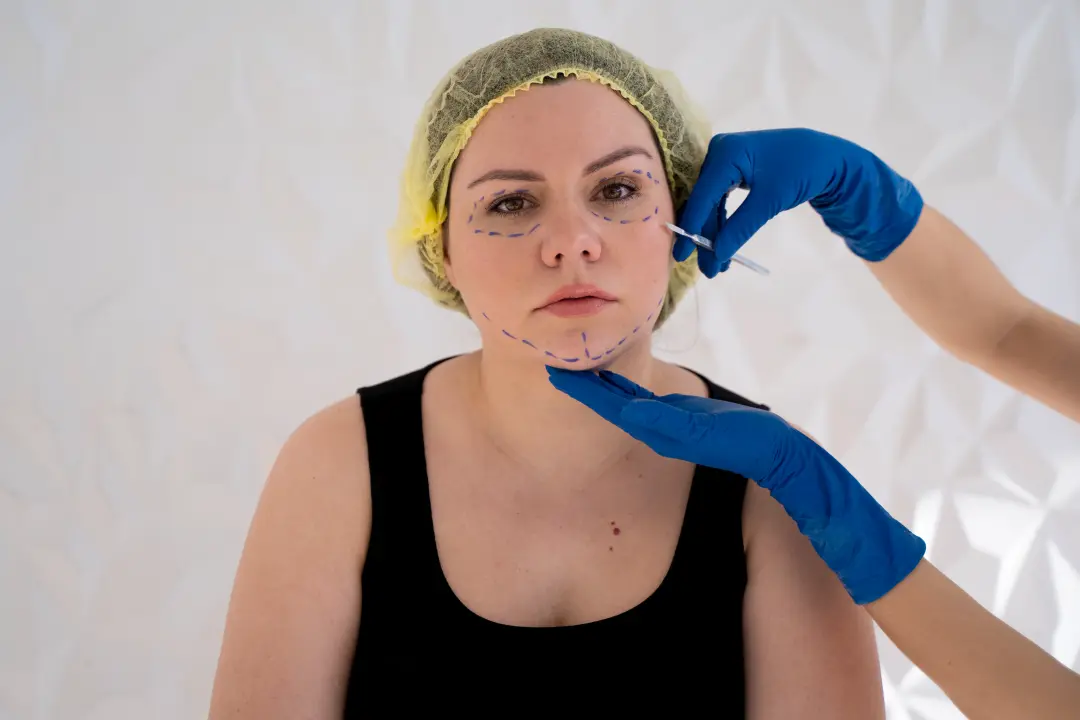
Scar revision surgery techniques vary depending on the type, location, and severity of the scar. Common methods include excision, Z-plasty, skin grafting, and flap surgery.
Excision involves cutting out the scar and closing the wound with fine sutures to create a thinner, less visible scar. Z-plasty is a technique that rearranges the skin around a scar to improve appearance and release tension. Skin grafts or flaps may be used for larger or more complex scars, especially when surrounding tissue is limited.
The procedure is usually performed under local or general anesthesia, depending on the size and location of the scar. The surgeon aims to minimize new scarring while improving the overall appearance and function of the treated area. Scar revision cost in Mumbai varies based on the scar’s size, location, complexity, and treatment method.
Recovery After Scar Revision Surgery
Recovery time varies depending on the technique used and the individual’s healing ability. Most patients experience some swelling, redness, and mild discomfort for a few days to weeks. Following post-operative care instructions, such as keeping the area clean and protected, is crucial for optimal healing after scar revision surgery in Mumbai.
Stitches may be removed after 1 to 2 weeks, and patients are often advised to avoid strenuous activity for several weeks. Over time, the revised scar will continue to improve in appearance, becoming flatter and less noticeable over several months.
Risks and Considerations
As with any surgical procedure, scar revision surgery carries potential risks. These can include infection, bleeding, changes in skin sensation, or the formation of new scars. Keloid or hypertrophic scars may recur, especially in individuals prone to abnormal scarring.
Choosing an experienced surgeon is essential to minimize risks and achieve the best results. Patients should also have realistic expectations, understanding that the goal of scar revision is improvement rather than complete removal.
Psychological Benefits of Scar Revision
Scar revision surgery can have a significant impact on mental and emotional well-being. Improved appearance of visible scars can boost self-confidence and reduce self-consciousness in social or professional settings.
For scars that cause discomfort or restrict movement, surgery can enhance daily life by restoring function and comfort. Many patients report feeling happier and more confident after scar revision, as the procedure allows them to move forward from the physical and emotional effects of their scars.
Non-Surgical Alternatives
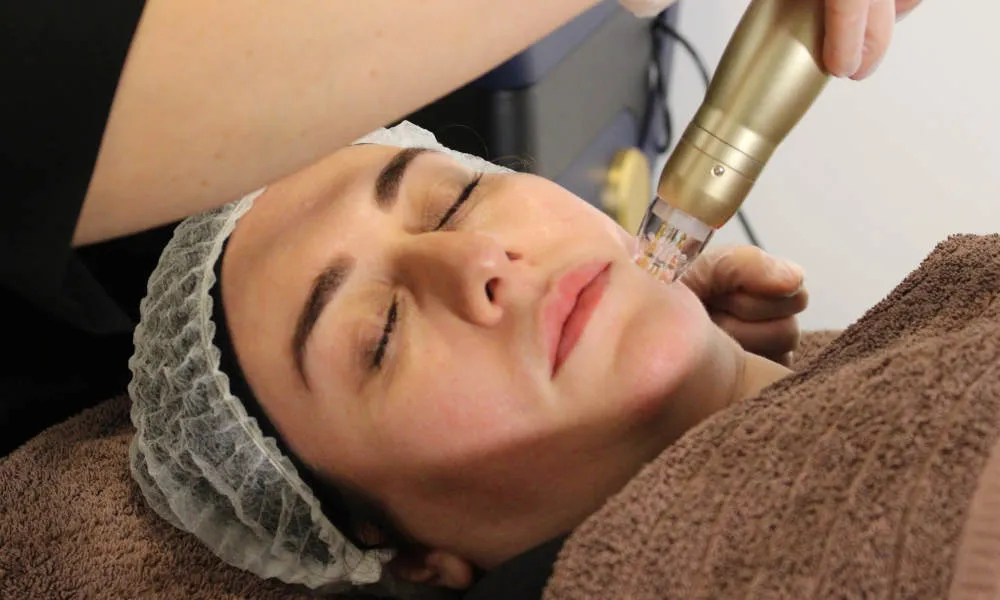
In some cases, non-surgical treatments may complement scar revision or serve as alternatives. Options include silicone sheets or gels, steroid injections, laser therapy, and microneedling. These treatments can help reduce scar thickness, redness, and texture irregularities.
Non-surgical methods may be sufficient for minor scars, while surgical intervention is generally recommended for larger, more complex, or functionally limiting scars.
Choosing the Right Surgeon
Selecting a qualified and experienced surgeon is critical for successful scar revision. The surgeon should evaluate the scar, discuss treatment options, and provide realistic expectations for results. A good surgeon will also explain post-operative care and follow-up requirements to ensure optimal healing.
Personalized care is important because each scar is unique, and treatment should be tailored to the individual’s needs, skin type, and overall health.
Final Thoughts
Scar revision surgery is a valuable option for individuals with scars that affect appearance, function, or confidence. It can address a wide range of scars, including hypertrophic, keloid, contracture, and atrophic scars.
While scars cannot always be completely removed, surgical revision can significantly improve appearance, comfort, and mobility. Combining surgical techniques with proper post-operative care and, when needed, non-surgical treatments ensures the best possible outcome.
Scar revision is not just about aesthetics, it is about restoring confidence, comfort, and quality of life for those affected by problematic scars.At My Aesthetic+, we specialize in advanced scar revision surgery tailored to your needs. Our expert surgeons focus on improving both the appearance and function of scars safely and effectively. Book a consultation with My Aesthetic+ today and take the first step toward smoother, healthier-looking skin and renewed confidence.