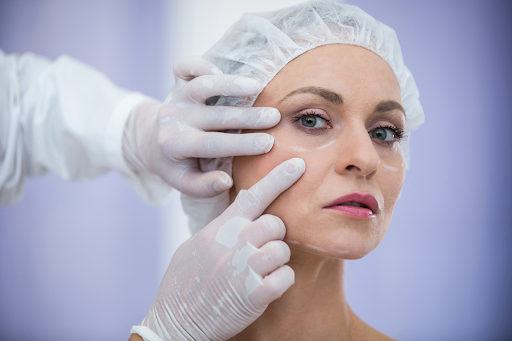
A facelift is one of the most popular cosmetic surgeries for people who want to look younger and refreshed. It works by tightening the skin and muscles of the face and removing sagging or loose skin. Many people often wonder what the best age is to go for a facelift. The truth is that there is no single number that works for everyone. Instead, the right time depends on your skin, lifestyle, and personal goals.
Understanding a Facelift
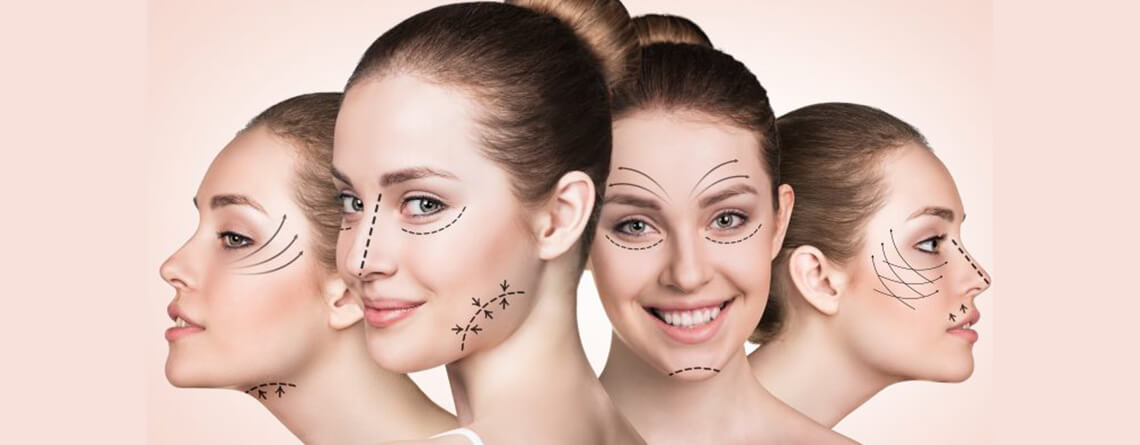
A facelift is a surgery that improves the visible signs of aging in the face and neck. Over time, skin loses its elasticity, muscles become weaker, and fat may shift. These natural changes make the face look older. A facelift helps smooth deep wrinkles, tighten loose skin, and give the face a more youthful look.
Unlike temporary treatments like fillers or Botox, a facelift gives long-lasting results. It is often chosen by people who want a permanent solution to aging signs instead of small touch-ups.
Why Age Matters in a Facelift
Age is an important factor because it affects skin quality and healing. Younger people usually have better skin elasticity, which helps in getting natural results. On the other hand, older people may have deeper wrinkles, more sagging, or medical issues that need to be considered before surgery.
Doctors usually recommend a facelift when signs of aging become more visible and cannot be managed with non-surgical treatments.
The Common Age Range for Facelift
Most people consider a facelift between the ages of 40 and 60. During this time, wrinkles become deeper, cheeks may sag, and the jawline can lose its shape. In this age range, the skin still has enough elasticity to heal well, and the results usually last longer.
However, this does not mean facelifts are limited to this age group. Some people in their late 30s choose it if they notice early signs of aging, while others in their 70s may still be good candidates if their health is strong.
Facelifts in Your 30s
Getting a facelift in your 30s is not very common, but it can be done if someone has early signs of ageing. Some people may have genetic reasons for loose skin or drooping cheeks even at a young age. In such cases, a mini facelift or less invasive procedure may be suggested.
At this age, most people benefit more from non-surgical treatments like fillers, Botox, or laser therapy rather than surgery. These options help delay the need for a full facelift.
Facelifts in Your 40s
The 40s are often seen as the ideal age to start considering a facelift. Many people begin to see visible sagging in the cheeks, jowls, and jawline during this decade. Skin elasticity is still good in the 40s, which helps in achieving natural-looking results.
A facelift at this age is often less dramatic but more preventive. It helps slow down the visible signs of aging and keeps the face youthful for a longer time.
Facelifts in Your 50s
The 50s are one of the most common times for facelift surgery. By this age, the skin shows more advanced signs of aging, such as deep wrinkles, drooping neck skin, and loss of volume in the cheeks. A facelift in your 50s can bring significant improvement and help restore a refreshed look.
Since healing takes a little longer than in the 40s, people in this age group need to plan for recovery carefully. Still, the results can be very satisfying and long-lasting.
Facelifts in Your 60s and Beyond
A facelift in your 60s or later can still give excellent results. Many people in this age group want to match their outer look with how young they feel inside. Modern surgical methods make it possible to achieve natural outcomes even at this age.
However, older patients may need more detailed medical checkups before surgery. Factors like skin quality, bone structure, and overall health play a big role in deciding if a facelift is safe and effective.
Other Factors Beyond Age
While age gives a general idea, other factors are just as important in deciding the right time for a facelift.
Skin condition matters a lot. People who have taken care of their skin with sunscreen, healthy diets, and skincare often maintain better elasticity and may delay surgery. Genetics also influence how early or late someone shows aging signs.
Lifestyle habits like smoking, alcohol use, or stress can speed up aging, making a facelift necessary earlier. On the other hand, a healthy lifestyle helps maintain youthful skin longer.
Alternatives to Facelift at Younger Ages
For younger people or those not ready for surgery, non-surgical treatments can be helpful. Options like Botox, fillers, ultrasound therapy, and laser treatments can tighten skin and reduce wrinkles. These treatments are less invasive, have little downtime, and give good results for mild to moderate aging signs.
These alternatives can delay the need for a facelift, but they cannot replace the dramatic and long-lasting results that surgery provides.
Choosing the Right Time for You
There is no universal answer to the question of the ideal age for a facelift. Instead, the decision should be based on how much aging is visible and what your personal goals are. A consultation with an experienced surgeon can help you understand if it is the right time.
During the consultation, the doctor will study your skin, facial structure, medical history, and lifestyle. Together, you can decide if a facelift is the right option or if you should wait and try other treatments first.
Final Thoughts
The ideal age for a facelift is not about a specific number but about when your face shows changes that bother you and when you are ready for surgery. For many people, the 40s and 50s are the most common time, but good candidates can be younger or older too. What matters most is healthy skin, realistic expectations, and guidance from a skilled surgeon.
At My Aesthetic+, we specialize in advanced facelift procedures designed to give natural, youthful results. Our team is dedicated to creating a personalised plan that suits your needs and helps you feel confident in your appearance. If you are thinking about a facelift, book your consultation with us today and take the first step toward a refreshed and younger-looking you.