Eyelid surgery, also known as blepharoplasty, is a popular cosmetic procedure designed to improve the appearance of the eyes. As one of the first areas to show signs of aging, the eyelids can develop sagging skin, puffiness, and wrinkles over time. Both upper and lower eyelid surgeries aim to restore a youthful, refreshed look, but they target different concerns and involve slightly different techniques. Understanding the differences, benefits, and risks of each type can help you decide which procedure is right for you.
What Is Upper Eyelid Surgery?
Upper eyelid surgery focuses on the skin, muscle, and sometimes fat of the upper eyelids. Over time, the upper eyelids can become heavy or droopy due to aging, genetics, or lifestyle factors. This drooping may cause a tired appearance or, in some cases, even affect vision.
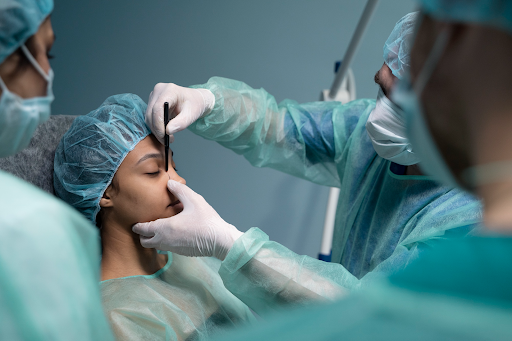
During the procedure, excess skin and, if necessary, fat are removed or repositioned to create a smoother and more open appearance. The incision is usually made along the natural crease of the upper eyelid, which helps hide any scars once healing is complete.
Upper eyelid surgery can help people who feel that their eyes look tired, hooded, or less alert. It is a subtle yet effective way to rejuvenate the upper part of the face.
What Is Lower Eyelid Surgery?
Lower eyelid surgery targets the area below the eyes. The main concerns in this region are puffiness, under-eye bags, and wrinkles caused by aging, fluid retention, or fat deposits. Lower blepharoplasty removes or repositions excess fat and tightens the skin to create a smoother, more youthful appearance.
Incisions for lower eyelid surgery are typically made just below the lash line or inside the lower eyelid, depending on the technique used. This ensures that scars are minimally visible. The procedure helps reduce puffiness and correct hollows under the eyes, which can dramatically improve overall facial harmony.
Key Differences Between Upper and Lower Eyelid Surgery
While both surgeries aim to rejuvenate the eyes, they differ in terms of the area treated, techniques used, and specific benefits. Upper eyelid surgery mainly addresses sagging or drooping skin that can affect vision or appearance. It is often less complex than lower eyelid surgery.
Lower eyelid surgery focuses on bags, puffiness, and wrinkles. Because the skin under the eyes is delicate, this procedure can be more challenging and may require additional techniques to achieve smooth results without complications.
Recovery times can also differ. Upper eyelid surgery usually involves shorter downtime, while lower eyelid surgery may involve more swelling and bruising that takes longer to resolve.
Benefits of Upper Eyelid Surgery
Upper eyelid surgery can provide both cosmetic and functional benefits. A lifted, smoother eyelid gives a more youthful and refreshed look, reducing the tired appearance that aging or drooping skin can cause.
In some cases, upper eyelid surgery improves vision if excess skin was obstructing the line of sight. Patients often share how they feel confident and satisfied with their facial appearance after the procedure.
The results of upper eyelid surgery are long-lasting, and the natural crease incision helps maintain a natural look. Many patients feel that their entire face appears more alert and youthful following the procedure.
Benefits of Lower Eyelid Surgery
Lower eyelid surgery primarily improves the appearance of puffiness, bags, and wrinkles under the eyes. By repositioning or removing excess fat and tightening the skin, the eyes appear brighter and more youthful.
This procedure also helps correct hollows or dark circles that make the face look tired or aged. For many patients, the improvement in under-eye contour significantly enhances facial symmetry and balance.
With proper care and technique, the results of lower eyelid surgery can be long-lasting, providing a refreshed appearance that complements other facial features.
Risks and Considerations for Upper Eyelid Surgery
As with any surgical procedure, upper eyelid surgery carries some risks. Common issues include temporary swelling, bruising, and mild discomfort around the eyelids. Infection, scarring, or asymmetry is rare but possible.
Choosing an experienced surgeon is crucial to minimize risks. Patients must also follow pre- and post-operative instructions carefully to ensure proper healing and optimal results.
Risks and Considerations for Lower Eyelid Surgery
Lower eyelid surgery has a slightly higher risk profile due to the delicate nature of the under-eye area. Potential complications include temporary swelling, bruising, dry eyes, or irritation. In rare cases, more serious issues such as ectropion (outward turning of the lower eyelid) may occur.
An experienced surgeon can greatly reduce these risks. Proper technique, careful handling of the skin and muscles, and following aftercare guidelines are essential for safe and successful outcomes.
Recovery for Upper and Lower Eyelid Surgery
Recovery time varies between the two procedures. For upper eyelid surgery, most patients experience mild swelling and bruising for a few days and can resume normal activities within a week.
Lower eyelid surgery may involve more noticeable swelling and bruising, sometimes lasting up to two weeks. Patients are usually advised to avoid strenuous activity and follow special care instructions, such as keeping the head elevated and applying cold compresses to reduce swelling.
Both procedures require regular follow-ups to ensure proper healing and monitor results.
Who Is a Good Candidate?
Good candidates for eyelid surgery are generally healthy individuals who have realistic expectations. For upper eyelid surgery, candidates may have sagging or drooping eyelids that affect vision or appearance.
For lower eyelid surgery, candidates typically have under-eye bags, puffiness, or wrinkles that make the face look tired. Non-smokers and individuals without serious medical conditions generally have better healing outcomes. A thorough consultation with a qualified surgeon is necessary to determine the best approach and ensure safety.
Final Thoughts
Both upper and lower eyelid surgeries offer effective ways to rejuvenate the eyes and restore a youthful appearance. Upper eyelid surgery is ideal for lifting drooping skin and improving vision, while lower eyelid surgery addresses puffiness, bags, and wrinkles. Understanding the differences, benefits, and risks can help you make an informed decision.
With skilled surgeons, proper care, and realistic expectations, eyelid surgery can provide natural, long-lasting results that enhance facial harmony and boost confidence.
At My Aesthetic+, our expert surgeons specialize in both upper and lower eyelid surgery. We provide personalized care to ensure safe procedures and natural-looking results. Book a consultation with My Aesthetic+ today and take the first step toward refreshed, youthful eyes.