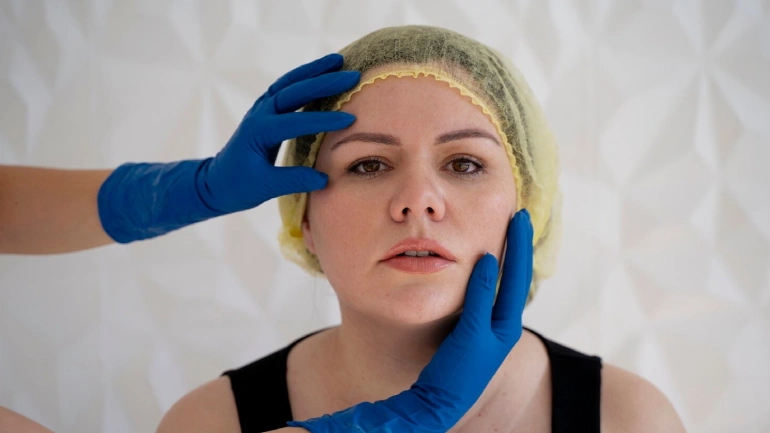
Misinformation about cosmetic surgery myths prevents many people from exploring treatments that could genuinely help them. Plastic surgery myths spread through social media, gossip, and outdated information. Understanding facts about cosmetic surgery helps you make informed decisions. Let’s separate truth from fiction about cosmetic surgery safety and address common myths about plastic surgery that persist despite overwhelming evidence to the contrary.
Myth 1 Cosmetic Surgery Is Only for Vanity
The Myth
People who get cosmetic surgery are superficial and vain. It’s all about ego and insecurity.
The Reality
This is one of the most damageing cosmetic surgery myths. The truth is far more nuanced.
Facts About Cosmetic Surgery Motivations
Functional Improvements
Many procedures address functional problems. Rhinoplasty often corrects breathing issues. Breast reduction alleviates back and neck pain. Eyelid surgery can improve vision.
Post-Traumatic Reconstruction
Accidents and injuries require reconstructive work. Cancer treatment may necessitate breast reconstruction. Burns and scars benefit from revision surgery.
Psychological Wellbeing
Appearance affects mental health significantly. Correcting features that cause distress is legitimate self-care. Improved confidence benefits all life areas.
Life Transitions
Pregnancy changes bodies dramatically. Massive weight loss leaves excess skin. ageing creates changes people want to address.
The Truth
Cosmetic surgery is about feeling comfortable in your own skin. It’s self-investment, not vanity.
Myth 2 Results Look Fake and Obvious
The Myth
Everyone can tell when you’ve had work done. Results look unnatural and overdone.
The Reality
This plastic surgery myths persists because of confirmation bias.
Why This Myth Exists
You only notice obvious, poorly done work. Excellent results look completely natural. Thousands of people have had procedures you’d never detect.
Modern Aesthetic Philosophy
Natural Enhancement
Today’s goal is subtle improvement. Surgeons enhance your features, not change them completely. You look like a better version of yourself.
Customized Approach
One-size-fits-all approaches are outdated. Treatments are personalized to your anatomy. Your unique features are respected.
Advanced Techniques
Modern cosmetic surgery techniques produce better results. Scarring is minimized significantly. Healing has improved dramatically.
The Truth
Well-executed procedures are virtually undetectable. The goal is “you, but better,” not “obviously done.”
Myth 3 Cosmetic Surgery Is Extremely Dangerous
The Myth
Cosmetic procedures carry huge risks. Complications are common and often severe.
The Reality
While all surgery carries risks, cosmetic surgery safety has improved dramatically.
Actual Safety Statistics
Serious complications occur in less than 2% of cosmetic procedures. Death rates are extremely low. Lower than many common medical procedures. Most complications are minor and easily managed.
Safety Improvements
Advanced Monitoring
Real-time vital sign tracking. Early detection of problems. Immediate intervention capability.
Better Anesthesia
Safer drugs and techniques. Precise dosing with computers. Reduced nausea and side effects.
Minimally Invasive Options
Many procedures now avoid general anesthesia. Reduced surgical trauma. Faster recovery times.
Accredited Facilities
Rigorous safety standards. Emergency equipment available. Trained support staff.
Factors That Enhance Safety
- Choosing board-certified surgeons
- Undergoing procedures in accredited facilities
- Following pre and post-operative instructions
- Being honest about medical history
- Maintaining realistic expectations
The Truth
Cosmetic surgery is very safe when performed by qualified professionals in appropriate settings.
Myth 4 Recovery Is Always Long and Painful
The Myth
You’ll be bedridden for weeks in excruciating pain. Recovery always involves significant suffering.
The Reality
Recovery varies tremendously by procedure. Many treatments require minimal downtime.
Non-Surgical Procedures
Botox, fillers, and most laser treatments require zero downtime. You can resume activities immediately. Side effects are minimal with slight redness or swelling.
Minimally Invasive Surgery
Recovery measured in days, not weeks. Pain is manageable with over-the-counter medication. Most people return to work within a week.
Major Surgical Procedures
Even comprehensive surgeries have improved recovery. Pain management has advanced significantly. Enhanced surgical techniques reduce trauma.
Factors Affecting Recovery
- Procedure extent and complexity
- Individual healing capacity
- Age and overall health
- Adherence to post-op instructions
- Surgeon’s technical skill
Modern Pain Management
Long-acting local anesthetics. Non-narcotic pain relief options. Reduced reliance on opioids. Better nausea prevention.
The Truth
Recovery is often much easier than expected. Modern techniques and pain management make it very manageable.
Myth 5 You Can’t Exercise or Be Active After Surgery
The Myth
Cosmetic surgery means permanently limiting your physical activities. You’ll never be as active again.
The Reality
This is completely false. Proper healing actually requires appropriate activity.
Activity Timeline
Immediately After
Light walking is encouraged. This prevents blood clots. Reduces swelling effectively.
First Few Weeks
Gradual return to normal activities. Light exercises may be permitted. Avoiding only strenuous exertion.
Full Recovery
Complete return to all activities. No permanent limitations. Often better function than before.
Exercise Benefits After Healing
- Maintains surgical results
- Enhances body composition
- Supports mental health
- Improves overall outcomes
The Truth
After proper healing, you can return to all activities. Many people become more active post-surgery due to increased confidence.
Myth 6 Results Are Permanent and Never Need Maintenance
The Myth
Once you have surgery, results last forever without any maintenance.
The Reality
While many results are long-lasting, ageing continues. Maintenance optimizes outcomes.
Permanent vs. Long-Lasting
Truly Permanent Results
- Fat cells removed via liposuction
- Bone reshaping (rhinoplasty, chin augmentation)
- Excess skin removal
- Breast implant placement (implants themselves may need replacement)
Long-Lasting But Not Permanent
- Facelift results (7-10 years typically)
- Eyelid surgery (lasts many years)
- Breast lift (gravity continues working)
Temporary Results
- Injectable treatments (3-24 months)
- Laser resurfacing (1-5 years)
- Non-surgical skin tightening (1-2 years)
Factors Affecting Longevity
- Natural ageing process
- Sun exposure and protection
- Weight fluctuations
- Lifestyle habits (smoking, diet)
- Skincare routine quality
- Genetic factors
The Truth
Surgical structure changes are permanent. However, skin quality and volume changes require maintenance. ageing doesn’t stop, but you maintain improvement.
Myth 7 Cosmetic Surgery Is Only for Women
The Myth
Aesthetic procedures are exclusively a female concern. Men don’t or shouldn’t get cosmetic treatments.
The Reality
Male cosmetic surgery has grown dramatically. Men represented 15% of all cosmetic procedures in recent years.
Popular Male Procedures
Surgical
- Rhinoplasty
- Eyelid surgery
- Liposuction
- Gynecomastia (male breast reduction)
- Hair transplantation
Non-Surgical
- Botox and neuromodulators
- Dermal fillers
- Laser treatments
- Body contouring
- Skin rejuvenation
Why Men Seek Treatment
- Professional competitiveness
- Desire to look as young as they feel
- Correcting features they’ve always disliked
- Reversing ageing signs
- Improving confidence
The Truth
Cosmetic surgery is for anyone wanting improvement. Gender doesn’t determine who can benefit.
Myth 8 You’re Too Old (or Too Young) for Cosmetic Surgery
The Myth
There’s a specific age window for cosmetic procedures. Outside that, you’re ineligible.
The Reality
Age alone doesn’t determine candidacy. Health and goals matter most.
Younger Patients
Appropriate Young Procedures
- Rhinoplasty (after facial growth completes)
- Otoplasty (ear surgery, often childhood)
- Breast reduction (for physical discomfort)
Considerations
- Emotional maturity is essential
- Realistic expectations required
- Some procedures best delayed until growth completes
Older Patients
No Upper Age Limit
If you’re healthy, age isn’t disqualifying. Many people have successful procedures in their 70s and 80s.
Health Matters More
- Cardiovascular fitness
- Absence of contraindications
- Good nutritional status
- Realistic recovery expectations
The Truth
Appropriate timing depends on individual factors, not arbitrary age limits.
Myth 9 Breast Implants Cause Cancer
The Myth
Breast implants significantly increase cancer risk. They’re dangerous to your health.
The Reality
Extensive research shows implants don’t cause breast cancer.
The Facts
Breast Cancer Risk
Implants don’t increase breast cancer rates. Some studies suggest slightly lower rates in implant patients (likely due to screening frequency).
Breast Implant-Associated Anaplastic Large Cell Lymphoma (BIA-ALCL)
This rare condition exists but is extremely uncommon. It’s associated with textured implants specifically. Risk is approximately 1 in 3,000-30,000 depending on implant type. It’s highly treatable when detected early. Most cases resolve with implant removal.
Modern Implant Safety
Rigorous testing before approval. Ongoing post-market surveillance. Improved materials and designs. Better understanding of risk factors.
The Truth
Implants are safe medical devices. Rare risks exist, but overall safety profile is excellent.
Myth 10 You Can’t Breastfeed After Breast Surgery
The Myth
Any breast surgery permanently prevents breastfeeding. Implants or lifts eliminate this capability.
The Reality
Many women successfully breastfeed after breast surgery.
Breast Augmentation
Technique Matters
- Inframammary incisions preserve ducts and nerves
- Submuscular placement less likely to affect breastfeeding
- Areolar incisions carry higher risk
Success Rates Most women with implants can breastfeed successfully. Milk production typically remains normal.
Breast Reduction
Some duct reconnection occurs during healing. Many women breastfeed after reduction. Success depends on surgical technique used.
Considerations
Discuss future pregnancy plans during consultation. Surgeons can modify techniques to preserve function. Individual anatomy affects outcomes.
The Truth
While surgery may affect breastfeeding ability, many women successfully nurse post-procedure.
Myth 11 All Surgeons Are Equally Qualified
The Myth
Any doctor can perform cosmetic surgery safely. Training doesn’t matter much.
The Reality
Surgeon qualification is critical to outcomes and safety.
Important Credentials
Board Certification
Look for certification in plastic surgery specifically. General surgery certification isn’t equivalent. Dermatology board certification for certain procedures.
Specialized Training
Plastic surgery residency (5-7 years typically). Fellowship training in aesthetic surgery. Continuing education and skill maintenance.
Experience Matters
Years performing specific procedures. Volume of procedures performed. Before and after photo portfolios. Patient satisfaction rates.
Red Flags
- Doctors practicing outside their specialty
- No board certification in relevant field
- Unwillingness to show credentials
- Offices not in accredited facilities
- Pressure to have unnecessary procedures
The Truth
Surgeon qualification directly affects your safety and results. Research thoroughly before choosing.
Myth 12 Recovery Products and Supplements Aren’t Necessary
The Myth
Post-surgical products are just money-making schemes. Your body heals fine without them.
The Reality
Appropriate products significantly improve healing and results.
Beneficial Products
Arnica
Reduces bruising and swelling. Available as pills or topical. Evidence supports effectiveness.
Compression Garments
Reduce swelling significantly. Support healing tissues. Improve contour outcomes. Essential for many procedures.
Scar Treatment
Silicone sheets and gels. Reduce scar visibility. Most effective when started early.
Gentle Cleansers
Protect healing incisions. Prevent infection. Support optimal healing.
What’s Not Necessary
Expensive “miracle” products. Unproven supplements. Products your surgeon doesn’t recommend.
The Truth
Evidence-based products enhance healing. Follow your surgeon’s recommendations, not marketing hype.
Separating Fact from Fiction
Overcome cosmetic surgery myths by
Consulting Qualified Professionals
Get information from board-certified surgeons. Trust medical expertise over social media. Ask questions during consultations.
Researching Reputable Sources
Use medical journals and professional organizations. Avoid sensationalized media reports. Check multiple reliable sources.
Understanding Individual Variation
Your friend’s experience may differ from yours. Results vary based on many factors. Focus on realistic expectations.
Questioning Extreme Claims
If it sounds too good to be true, it probably is. Both miracle promises and horror stories are typically exaggerated.
At My Aesthetic Plus, we prioritize patient education. We provide accurate facts about cosmetic surgery. Our team addresses plastic surgery myths with evidence-based information. We’re committed to cosmetic surgery safety through ethical practices and advanced techniques.
Conclusion
Cosmetic surgery myths create unnecessary fear and confusion. Understanding facts about cosmetic surgery empowers informed decision-making. Plastic surgery myths often contradict overwhelming scientific evidence. Modern procedures prioritize cosmetic surgery safety above all else. Don’t let myths about plastic surgery prevent you from exploring options that might genuinely benefit you. Consult with qualified professionals, ask questions, and base decisions on facts rather than fiction.
Have questions about cosmetic surgery? Schedule a consultation at My Aesthetic Plus. Our experienced team will provide honest, evidence-based answers to address any concerns about cosmetic surgery safety and help you separate myths from reality.