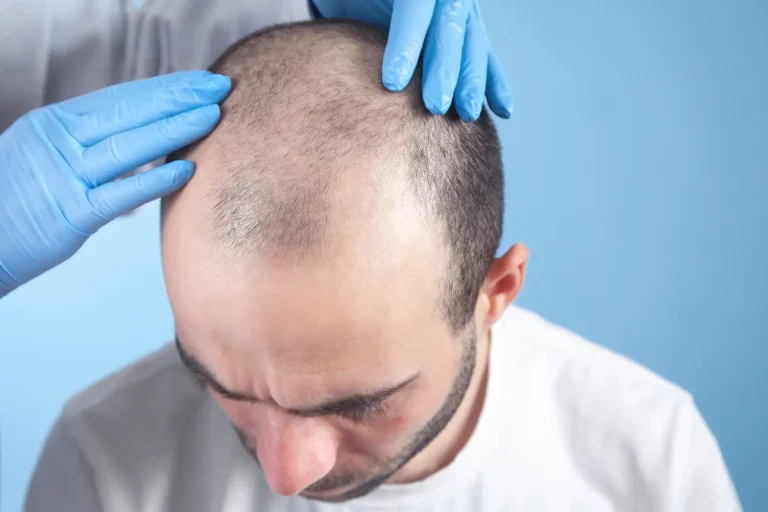
Hair transplant is one of the most effective long-term solutions for hair loss, but it’s not for everyone. The key to successful results lies in understanding hair transplant suitability and whether you are the right candidate.
If you’re considering the procedure, this guide will help you assess who is eligible for a hair transplant and when it makes sense to take that step.
What Is a Hair Transplant Meant to Do?
A hair transplant redistributes existing healthy hair follicles from one area (usually the back of the scalp) to areas with thinning or baldness.
Important to understand:
- It does not create new hair
- It works best when there is sufficient donor hair
- Results depend on your pattern of hair loss
Who Is the Right Candidate for Hair Transplantation?
1. You Have Stable Hair Loss
The best candidates are those with predictable, stable hair loss patterns.
Examples:
- Male pattern baldness (receding hairline, crown thinning)
- Gradual thinning over time
Why this matters:
If hair loss is still aggressive, transplanted hair may remain, but surrounding hair may continue to thin, affecting overall results.
2. You Have Adequate Donor Hair
A successful hair transplant in Mumbai depends on the availability of healthy hair at the back or sides of the scalp.
Good candidates:
- Strong donor area density
- Thick hair strands
Limitation:
If donor hair is limited, results may not be optimal.
3. You Have Realistic Expectations
Hair transplant improves appearance, but it does not:
- Restore teenage density
- Completely stop future hair loss
Ideal mindset:
- Looking for natural improvement
- Open to gradual results
This is a key factor in overall satisfaction.
4. Your Hair Loss Pattern Is Defined
Clear patterns, like male pattern baldness treatment cases, respond best.
Good candidates typically have:
- Receding hairline
- Thinning crown
- Patchy but stable hair loss
Unpredictable or patchy conditions (like some autoimmune hair loss) may not be suitable.
5. You Are in the Right Age Group
There’s no fixed rule, but the best age for a hair transplant is usually 25 years and above.
Why:
- Hair loss pattern becomes more predictable
- Better long-term planning
Younger patients may still be candidates, but require careful evaluation.
6. You Are in Good Overall Health
Since this is a medical procedure, general health matters.
Suitable candidates:
- No uncontrolled medical conditions
- Good healing capacity
Conditions to discuss with your doctor:
- Diabetes
- Scalp conditions
- Chronic illnesses
Signs You Should Consider a Hair Transplant
1. Hair Loss Is Affecting Your Confidence
When hair loss begins to impact:
- Self-image
- Social confidence
- Professional presence
It may be time to explore treatment options.
2. You’ve Tried Other Treatments Without Success
Before opting for a transplant, many patients try:
- Medications
- Topical treatments
- PRP therapy
If results are limited, a transplant becomes a more definitive solution among hair loss treatment options.
3. Your Hairline Has Receded Noticeably
A receding hairline is one of the most common reasons patients consider a transplant.
Why transplant works well here:
- Clearly defined area
- Predictable restoration
4. You Have Thinning That’s Not Reversible
Early thinning may respond to medical treatment, but advanced thinning often requires surgical correction.
5. You Want a Long-Term Solution
Unlike temporary treatments, a transplant offers:
- Permanent hair growth (in transplanted areas)
- Natural-looking results over time
Who May Not Be an Ideal Candidate?
Hair transplant may not be suitable if:
- Hair loss is very early and unstable
- Donor hair is insufficient
- Hair loss is due to medical conditions (like alopecia areata)
- Expectations are unrealistic
In such cases, other hair loss treatment options may be recommended.
Hair Transplant vs Other Hair Loss Treatments
| Treatment | Best For |
| Medications | Early-stage hair loss |
| PRP Therapy | Hair thinning |
| Hair Transplant | Advanced or permanent hair loss |
A combination approach is often used for the best results.
What a Consultation Will Determine
A proper consultation evaluates:
- Hair loss pattern
- Donor area strength
- Scalp condition
- Long-term hair loss progression
This is the most important step in confirming hair transplant suitability.
Final Takeaway
Not everyone with hair loss needs a transplant, but for the right candidate, it can be a highly effective, long-term solution.
You may be eligible if you have:
- Stable hair loss
- Good donor hair
- Realistic expectations
Understanding who is eligible for a hair transplant ensures better planning, safer procedures, and results that look natural over time. Choosing the best hair transplant clinic in Mumbai can also help ensure that your treatment plan is based on your individual hair loss pattern and donor hair availability.
At My Aesthetic+, every hair transplant is guided by a detailed evaluation, ensuring that the procedure is recommended only when it is truly the right solution for you.