

Pigmentation is one of the most common skin concerns seen in India and often one of the most frustrating to treat. From uneven skin tone to stubborn dark patches, many people find that their pigmentation keeps returning despite multiple treatments.
To manage it effectively, it’s important to first understand why pigmentation is more common in Indian skin and then take a structured approach toward treatment.
Why Is Pigmentation More Common in Indian Skin?
Indian skin typically falls under Fitzpatrick skin types IV to VI, which means it contains higher levels of melanin. While melanin protects against sun damage, it also makes the skin more reactive.
1. Higher Melanin Activity
Melanin-producing cells (melanocytes) in Indian skin are more active.
What this leads to:
- Faster tanning
- Increased chances of dark spots
- Stronger response to irritation
Even minor triggers can result in visible pigmentation.
2. Strong Response to Inflammation
One of the key causes of pigmentation in Indian skin is how it reacts to inflammation.
Common triggers:
- Acne
- Skin irritation
- Aggressive treatments
- Cuts or injuries
Result:
Post-inflammatory hyperpigmentation (PIH), where marks remain long after the original issue heals.
3. Sun Exposure
India has high UV exposure throughout the year.
Impact:
- Stimulates melanin production
- Worsens existing pigmentation
- Makes treatments less effective if not managed
This is why sunscreen is not optional. It’s essential.
4. Hormonal Factors (Melasma)
Melasma is a very common condition in Indian skin.
Triggers include:
- Hormonal changes (pregnancy, PCOS)
- Oral contraceptives
- Sun exposure
Characteristics:
- Patchy pigmentation, usually on the cheeks and forehead
- Chronic and recurring
This makes melasma treatment in India more complex and long-term.
5. Incorrect Skincare Practices
Overuse or misuse of products can worsen pigmentation.
Examples:
- Excessive exfoliation
- Using strong active ingredients without guidance
- Mixing multiple treatments
Result:
Skin barrier damage. Increased sensitivity. More pigmentation
Types of Pigmentation Common in India
Understanding the type of pigmentation is key to choosing the right pigmentation treatment in India.
- Melasma – Hormonal, patchy, recurring
- Post-inflammatory hyperpigmentation (PIH) – After acne or injury
- Sun spots/tanning – Due to UV exposure
Each type requires a different approach.
How to Treat Pigmentation Effectively
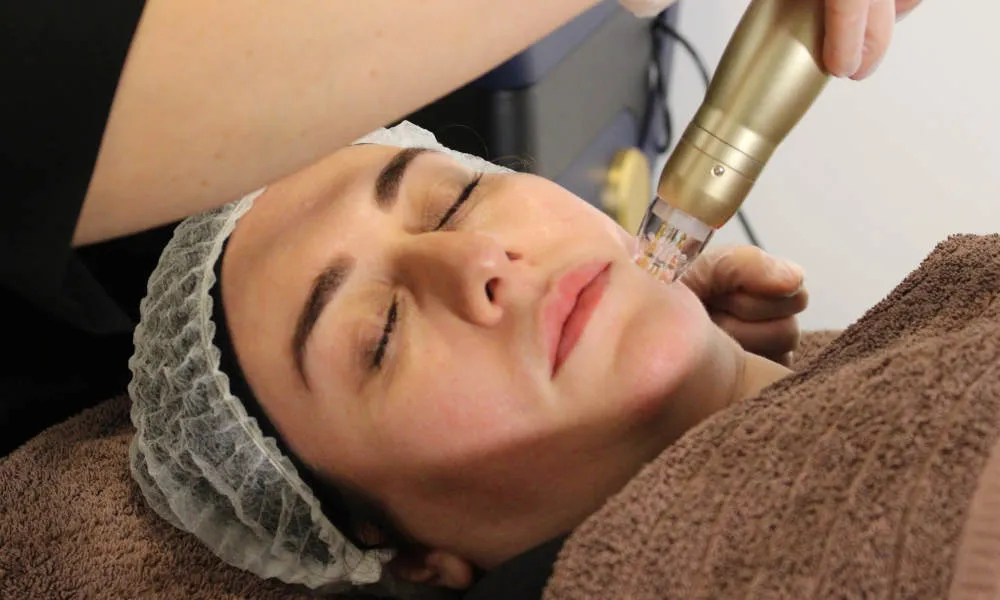
There is no one-size-fits-all solution. Effective hyperpigmentation solutions require a combination of treatments and consistency. For people considering pigmentation treatment in Mumbai, the appropriate approach should be selected based on the type and severity of pigmentation.
1. Q-Switch Laser (Targeted Pigment Treatment)
One of the most commonly used skin lightening treatments for pigmentation.
What it does:
- Breaks down excess melanin
- Gradually clears dark patches
Best for:
- Stubborn pigmentation
- Uneven skin tone
Requires multiple sessions and proper sun protection.
2. Chemical Peels
Peels help remove pigmented surface layers.
Benefits:
- Improves skin tone
- Enhances skin renewal
- Works well for superficial pigmentation
Note:
Must be customised for Indian skin to avoid irritation.
3. Medi Facials & Skin Brightening Treatments
These are supportive treatments.
Role:
- Improve overall skin health
- Enhance glow and clarity
- Maintain results
4. Medical Skincare
Topical treatments play a critical role.
Common ingredients:
- Vitamin C
- Retinoids
- Skin-brightening agents
These help:
- Control melanin production
- Maintain treatment results
5. Sun Protection (Non-Negotiable)
No pigmentation treatment works without sunscreen.
Why:
- Prevents new pigmentation
- Protects ongoing results
Guideline:
- Use SPF 30+ or higher
- Reapply every few hours
Why Pigmentation Keeps Coming Back
A common concern is recurrence.
Reasons include:
- Sun exposure
- Hormonal triggers
- Incomplete treatment
- Lack of maintenance
Pigmentation is often a chronic condition, not a one-time fix.
What Actually Works: A Structured Approach
To get long-term results:
- Accurate Diagnosis
Melasma vs PIH vs tanning
- Combination Treatments
Laser + peels + skincare
- Gradual Progress
Avoid aggressive, one-time solutions
- Maintenance Plan
Regular follow-ups and skincare
Common Mistakes to Avoid
- Expecting instant results
- Skipping sunscreen
- Over-treating the skin
- Trying multiple treatments without guidance
These are key reasons why pigmentation treatment fails.
Conclusion
Pigmentation is more common in Indian skin because of higher melanin activity, sun exposure, and strong inflammatory response. For people looking for targeted pigmentation care, Q-Switch laser for pigmentation in Mumbai may be considered based on the type and severity of pigmentation.
But with the right approach, it can be effectively managed.
The focus should be on:
- Controlled, gradual treatment
- Consistent skincare
- Long-term maintenance
At My Aesthetic+, pigmentation treatments are designed specifically for Indian skin. Ensuring safety, precision, and results that are visible, balanced, and sustainable over time.