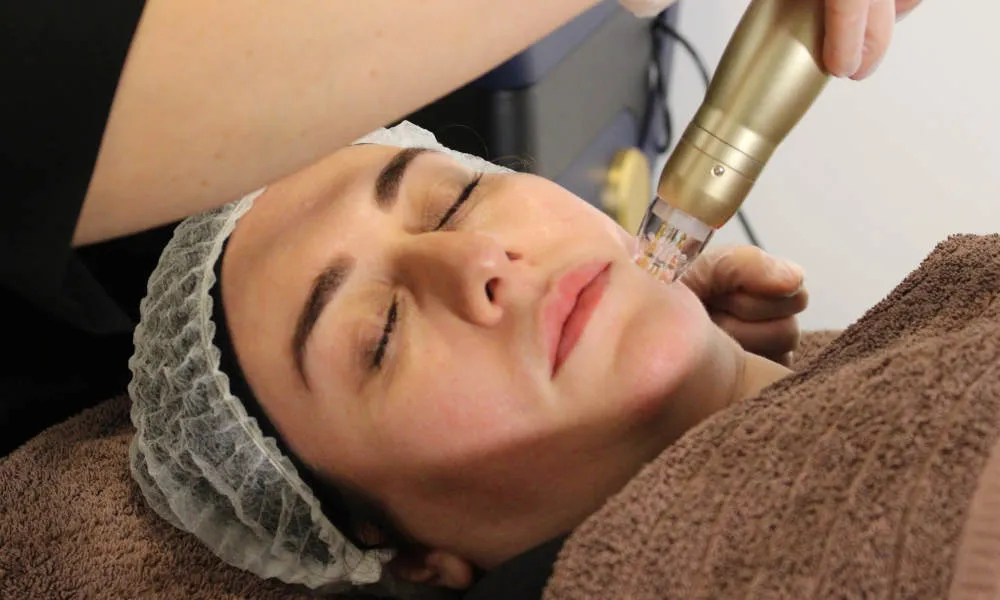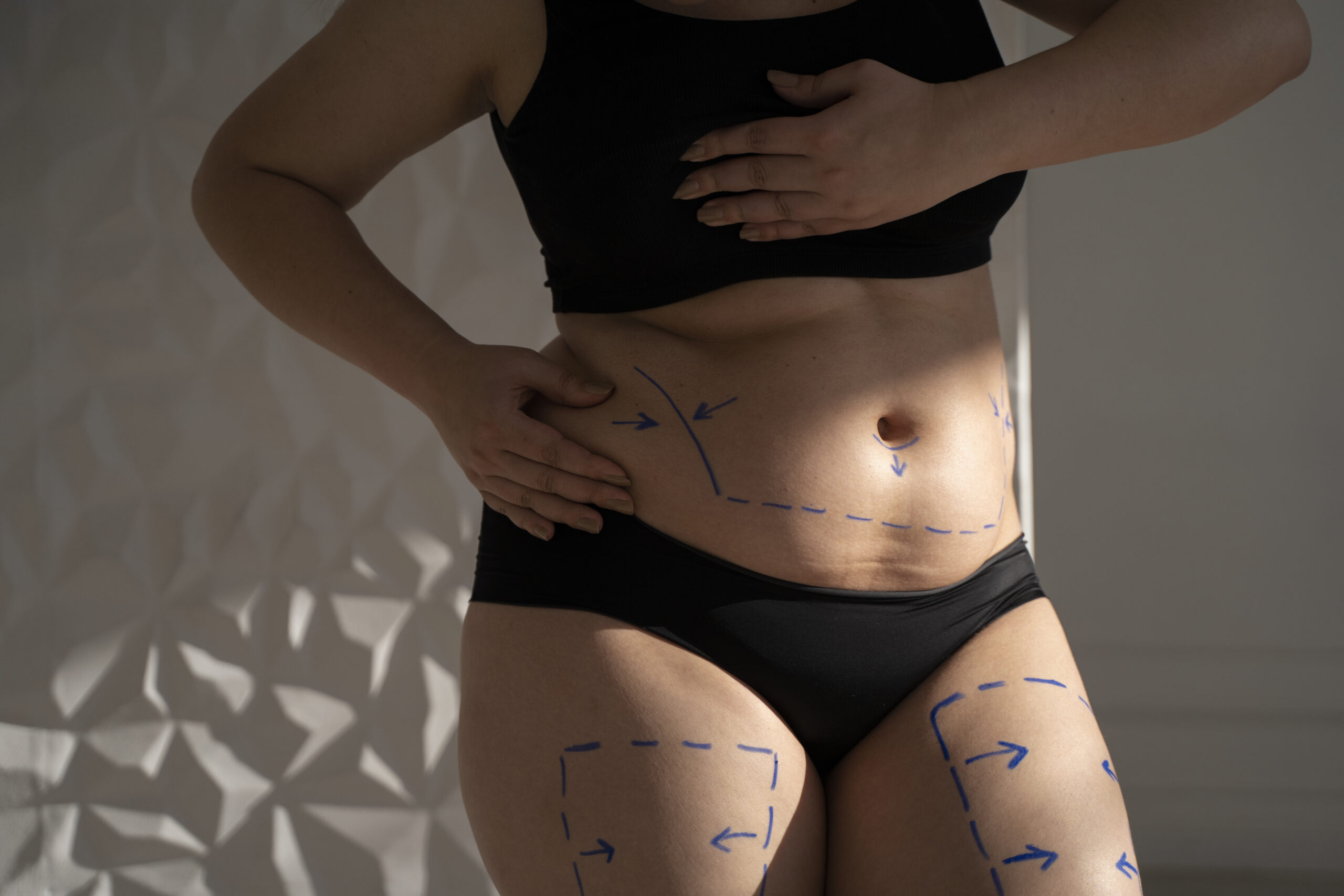

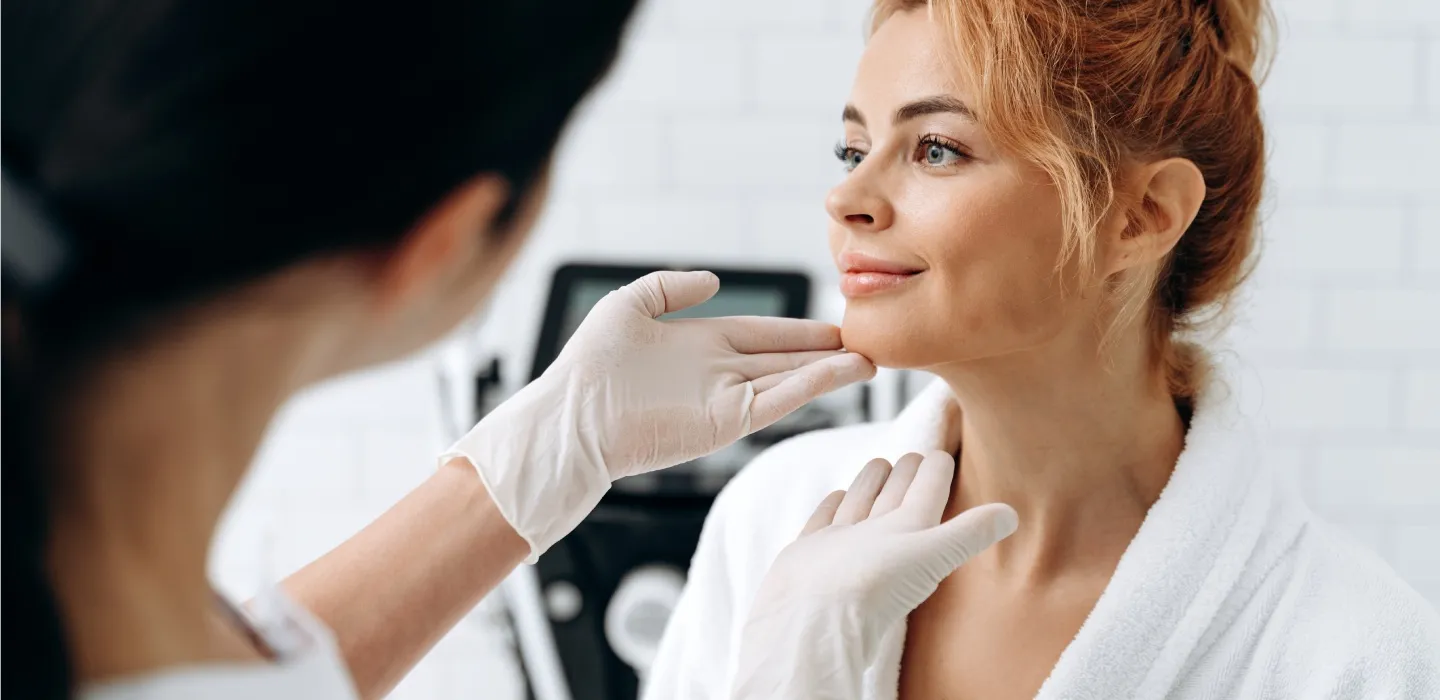
Body transformation treatments change more than just how you look. They profoundly impact how you feel about yourself. The connection between appearance and psychology runs deep. When you feel good about your body, confidence radiates naturally. Cosmetic surgery confidence extends beyond the mirror it influences relationships, careers, and overall life satisfaction. Understanding the psychological aesthetic treatments benefits helps you make informed decisions about your aesthetic journey.
The Mind-Body Connection in Aesthetics
Your physical appearance and mental wellbeing are intimately connected. How you perceive your body affects your self-esteem significantly.
Research shows that body image after cosmetic surgery improvements correlate with
- Increased self-confidence and self-worth
- Reduced social anxiety and avoidance
- Enhanced quality of life scores
- Improved intimate relationships
- Greater professional opportunities
- Better overall mental health
This isn’t vanity; it’s human psychology. When you feel comfortable in your body, you engage more fully with life.
Why Appearance Matters Psychologically
Society places significant emphasis on physical appearance. This reality shapes our self-perception from childhood.
Social Conditioning We receive constant messages about beauty standards. Media portrays idealized bodies continuously. These images influence how we evaluate ourselves.
Evolutionary Psychology Humans are wired to notice physical appearance. Symmetry and health markers signal fitness. These instincts operate subconsciously.
Personal Identity Your body is part of your identity. How you look affects how you see yourself. Alignment between inner self and outer appearance matters.
Social Interactions Physical appearance influences first impressions. Research shows attractive people receive preferential treatment. This affects opportunities and relationships.
Common Psychological Motivations for Aesthetic Treatments
People seek body transformation treatments for various psychological reasons
Correcting a Specific Concern
Many people have one feature they’ve always disliked. This concern occupies mental space disproportionately. Addressing it provides tremendous psychological relief.
A prominent nose or weak chin can dominate self-perception. Excess skin after weight loss serves as a constant reminder. Correcting these concerns releases emotional burden.
Restoring Youthful Appearance
ageing can disconnect your inner age from your reflection. You feel 35 but see 50 in the mirror. This disconnect creates psychological discomfort.
Aesthetic clinic treatments help align external appearance with internal identity. People report feeling “like themselves again” after rejuvenation procedures.
Recovering from Life Changes
Pregnancy, weight loss, and illness can significantly alter the body and affect self-image. Body contouring transformation and body contouring in Mumbai can help restore body confidence and improve overall contours.
Enhancing Self-Confidence
Some people simply want to optimize their appearance. They’re not fixing problems necessarily. They’re enhancing what’s already there.
This proactive approach to self-improvement is psychologically healthy. It demonstrates self-investment and self-care.
The Psychological Benefits of Aesthetic Treatments
Research documents numerous aesthetic transformation results beyond physical change
Increased Self-Confidence
Cosmetic surgery confidence boost is the most commonly reported benefit. People feel more assured in social situations. They’re less self-conscious about their appearance.
Studies show confidence increases persist long-term. This isn’t a temporary “honeymoon phase.” Sustained psychological benefits occur for years.
Reduced Social Anxiety
Many people avoid social situations due to appearance concerns. They fear judgment or negative attention. After treatment, social avoidance decreases significantly.
People report
- Greater willingness to attend social events
- Reduced anxiety in photos and videos
- More comfort in intimate situations
- Decreased avoidance of mirrors and cameras
Improved Body Image
Body image after cosmetic surgery shows measurable improvement. People view their bodies more positively overall. Satisfaction with appearance increases substantially.
This improved body image extends beyond treated areas. Addressing one concern often improves overall body satisfaction.
Enhanced Quality of Life
Aesthetic treatments benefits include improved life satisfaction. People report feeling happier and more content. Daily functioning improves across multiple domains.
Quality of life improvements include
- Better social relationships
- Enhanced intimate partnerships
- Increased professional confidence
- Greater participation in activities
- Improved overall mental health
Professional Advantages
Appearance affects professional perceptions, fairly or not. Cosmetic procedures benefits can enhance career confidence.
People report
- Feeling more authoritative at work
- Increased comfort in presentations
- Greater willingness to pursue promotions
- Improved professional networking confidence
Understanding Realistic Expectations
Cosmetic treatment results should align with realistic psychological expectations
What Aesthetic Treatments CAN Do
- Enhance specific physical features
- Restore youthful appearance
- Improve body proportions
- Boost self-confidence
- Reduce appearance-related anxiety
- Align appearance with self-image
What Aesthetic Treatments CANNOT Do
- Solve deep psychological issues
- Fix relationship problems
- Guarantee life success
- Create perfection
- Change your fundamental personality
- Eliminate all insecurities
The Importance of Psychological Readiness
Not everyone is psychologically ready for body transformation treatments. Certain factors indicate readiness
Signs of Psychological Readiness
- Clear, specific goals for treatment
- Realistic expectations about outcomes
- Stable mental health
- Self-motivated decision (not pressured)
- Understanding of risks and recovery
- Financial stability for treatment
Red Flags for Psychological Unreadiness
- Body dysmorphic disorder symptoms
- Unrealistic perfectionist expectations
- Decision made under external pressure
- Belief that treatment will solve all problems
- Unstable mental health conditions
- History of dissatisfaction with previous treatments
Body Dysmorphic Disorder Considerations
Body dysmorphic disorder (BDD) is a serious condition. People with BDD have distorted perceptions of their appearance.
BDD Characteristics
- Obsessive focus on perceived flaws
- Flaw is minor or nonexistent to others
- Significant distress and functional impairment
- Compulsive behaviors (mirror checking, reassurance seeking)
- Previous cosmetic treatments didn’t provide relief
People with BDD typically aren’t satisfied with cosmetic surgery confidence improvements. Treatment doesn’t resolve their underlying psychological distress.
Ethical practitioners screen for BDD. They refer patients to mental health professionals when appropriate.
The Recovery Period Psychological Challenges
Aesthetic transformation results don’t appear immediately. The recovery period presents psychological challenges
Initial Post-Procedure Adjustment
Swelling and bruising can be alarming. You might look worse before looking better. This can trigger anxiety and regret temporarily.
The Waiting Period
Non-surgical treatments take weeks to months for results. This patience requirement is psychologically challenging. You must trust the process.
Social Considerations
Deciding what to tell others can be stressful. Some people face judgment about their decision. This social pressure can affect satisfaction.
Adjustment to New Appearance
Even positive changes require psychological adjustment. Your brain needs time to update your self-image. This transition period is normal.
Long-Term Psychological Outcomes
Research on body contouring transformation psychology shows that non-invasive body contouring in Mumbai may support improved body confidence and satisfaction for suitable individuals.
Sustained Satisfaction
Most people remain satisfied long-term. Satisfaction rates exceed 90% in many studies. Regret is relatively uncommon.
Improved Mental Health
Depression and anxiety scores often decrease post-treatment. Self-esteem measures improve significantly. These benefits persist for years.
Enhanced Social Functioning
Social interaction quality improves measurably. Relationship satisfaction often increases. People report feeling more socially engaged.
Maintained Quality of Life
Life satisfaction improvements remain stable long-term. People don’t revert to pre-treatment psychological states. Benefits compound over time.
Potential Psychological Risks
While benefits usually outweigh risks, potential psychological concerns exist
Disappointment with Results
If expectations aren’t realistic, dissatisfaction can occur. This is why thorough consultations are essential. Clear communication prevents disappointment.
Addiction to Procedures
Some people seek multiple unnecessary procedures. They’re never satisfied with their appearance. This can indicate underlying psychological issues.
Social Judgment
Others may judge your decision negatively. This external criticism can affect satisfaction. Strong personal conviction helps weather this.
Identity Adjustment Challenges
Dramatic changes sometimes feel disorienting. Your brain needs time to recognize your new appearance. This adjustment is usually temporary.
Maximizing Psychological Benefits
Get the most aesthetic treatments benefits psychologically
Choose Procedures for Yourself
Make decisions based on your desires. Don’t succumb to pressure from others. Internal motivation predicts better psychological outcomes.
Maintain Realistic Expectations
Understand what treatment can and cannot achieve. Perfect results don’t exist. Improvement, not perfection, should be the goal.
Prepare Psychologically
Educate yourself thoroughly about the process. Understand recovery timeline and challenges. Mental preparation improves outcomes.
Seek Support
Surround yourself with supportive people. Consider professional counseling if helpful. Social support enhances psychological benefits.
Practice Self-Compassion
Be patient with healing and results. Don’t judge yourself harshly during recovery. Self-compassion supports positive outcomes.
The Role of Professional Guidance
Cosmetic procedures benefits maximize when providers consider psychological factors
Comprehensive Consultations
Good practitioners assess psychological readiness. They discuss motivations and expectations thoroughly. Red flags are identified early.
Honest Communication
Ethical doctors provide realistic outcome projections. They won’t promise unrealistic results. Honesty prevents disappointment.
Post-Treatment Support
Quality care includes psychological support during recovery. Providers remain available for concerns. This support enhances satisfaction.
At My Aesthetic Plus, we understand that plastic surgery confidence boost extends beyond physical changes. Our team provides comprehensive care addressing both physical and psychological aspects of transformation.
When to Seek Additional Support
Sometimes body transformation treatments uncover deeper issues. Consider professional psychological support if
- Satisfaction doesn’t improve after healing
- Anxiety or depression worsens
- Body dysmorphic thoughts persist
- Relationship problems continue
- You’re considering excessive additional procedures
- Adjustment to new appearance is very difficult
Cultural and Social Considerations
Aesthetic clinic treatments exist within cultural contexts. Different societies have varying beauty standards and attitudes toward cosmetic procedures.
Cultural factors affecting psychology include
- Acceptance or stigma around aesthetic treatments
- Traditional beauty ideals and standards
- Family and community expectations
- Religious or philosophical perspectives
- Media influence and representation
Understanding your cultural context helps process your experience psychologically.
Conclusion
Body transformation treatments offer profound psychological benefits beyond physical change. Cosmetic surgery confidence improvements enhance quality of life across multiple domains. The aesthetic treatments benefits include increased self-esteem, reduced anxiety, and improved social functioning. Understanding body image after cosmetic surgery psychology helps set realistic expectations. Cosmetic treatment results are most satisfying when motivated by personal desires and realistic goals. The psychological aesthetic transformation results can be truly life-changing when approached thoughtfully. Choose experienced providers who understand that true transformation encompasses both body and mind.
Ready to explore how body transformation treatments might enhance your confidence? Schedule a consultation at My Aesthetic Plus. Our compassionate team understands the psychological journey of aesthetic transformation and provides comprehensive support.