
Scars are a natural part of the body’s healing process. When the skin is injured, the body repairs itself by producing new tissue, which forms a scar. Scars can vary in appearance, texture, and severity depending on the type of injury and the healing process. While most scars are harmless, some can affect appearance, movement, or comfort. Understanding the different types of scars and how they form is important for managing and treating them effectively.
How Scars Form
When the skin is cut, burned, or otherwise injured, the body responds by producing collagen, a protein that helps repair damaged tissue. This new tissue forms the scar. The process of scar formation depends on the depth and size of the injury, the location on the body, age, genetics, and overall health.
Scars may take months to fully mature, gradually becoming flatter and lighter. For persistent or raised scars, laser treatment for scars in Mumbai may help improve their appearance and texture, depending on the type of scar.
Hypertrophic Scars
Hypertrophic scars are raised scars that develop within the boundaries of the original wound. They occur when the body produces excess collagen during the healing process.
These scars are often red or pink and may be itchy or uncomfortable. Unlike keloid scars, hypertrophic scars do not grow beyond the wound area. They can improve naturally over time but sometimes require treatments such as steroid injections, silicone sheets, or laser therapy to reduce thickness and redness.
Hypertrophic scars commonly form after burns, surgery, or deep cuts, especially in areas where the skin experiences tension or movement.
Keloid Scars
Keloid scars are more severe than hypertrophic scars. They are thick, raised, and extend beyond the boundaries of the original wound. Keloids occur due to an overproduction of collagen, and they may continue to grow over time.
Keloids are often darker than the surrounding skin and can be itchy, painful, or sensitive to touch. They are more common in people with darker skin tones and may run in families.
Treatment for keloid scars can include steroid injections, laser therapy, cryotherapy, or surgical removal. However, keloids have a tendency to recur even after treatment, so ongoing management may be needed.
Contracture Scars
Contracture scars occur when a large area of skin is damaged, often due to burns. These scars tighten over time, restricting movement in the affected area. Contracture scars can affect joints, making it difficult to bend or stretch, and can be uncomfortable or painful.
Treatment for contracture scars may include physical therapy to improve mobility, skin grafts, or surgical procedures to release tension and restore function. Early intervention is important to prevent permanent restriction of movement.
Atrophic Scars
Atrophic scars are sunken or depressed scars that occur when the skin loses collagen during the healing process. These scars are often seen after acne, chickenpox, or severe infections.
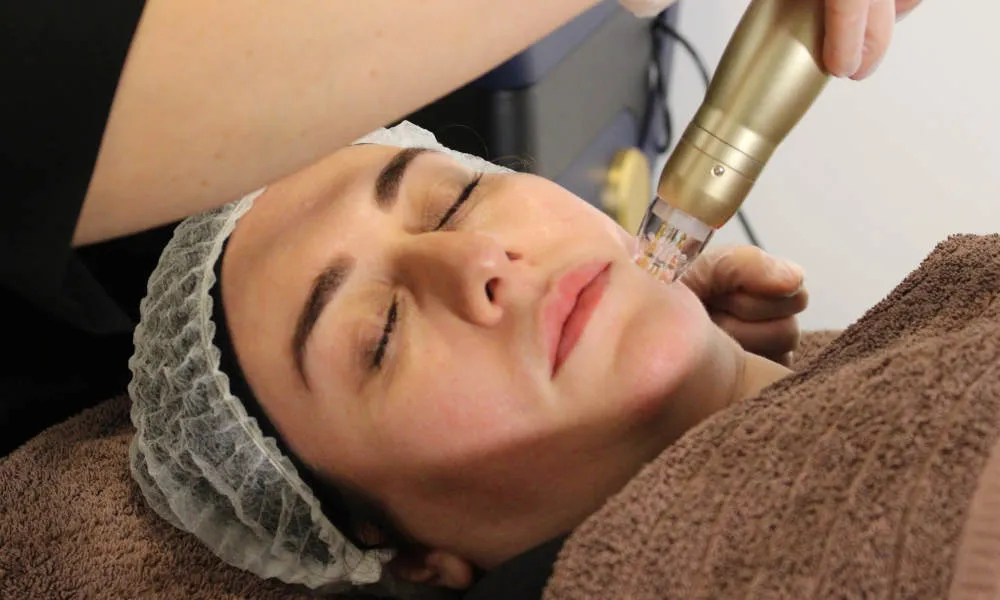
They appear as small pits, depressions, or indentations on the skin and can be difficult to conceal. Treatment options for atrophic scars include dermal fillers, microneedling, laser therapy, or chemical peels to stimulate collagen production and improve skin texture.
Stretch Marks
Stretch marks are a type of scar that occurs when the skin is stretched rapidly, such as during pregnancy, rapid weight gain, or growth spurts. They appear as streaks or lines on the skin and can be red, purple, or white depending on their age and severity.
While stretch marks are generally harmless, they may be aesthetically concerning. Treatments include topical creams, laser therapy, and microneedling to improve appearance and skin texture.
Factors That Influence Scar Formation
Several factors affect how scars form and how noticeable they become. Genetics play a significant role, as some people are more prone to keloid or hypertrophic scars. The location of the injury also matters; areas under tension or frequent movement, like the shoulders, chest, or joints, are more likely to develop raised or thick scars.
Other factors include the type of injury, the depth of the wound, age, nutrition, and overall health. Proper wound care, such as cleaning the area, avoiding infection, and protecting it from sun exposure, can minimize scar formation and improve healing outcomes.
Treatment and Management of Scars
Not all scars require treatment, but many people seek options to improve appearance or function. Treatment depends on the type of scar, its location, and the severity of the issue.
Non-surgical treatments include silicone sheets, steroid injections, laser therapy, and microneedling. These methods can reduce redness, thickness, and texture irregularities.
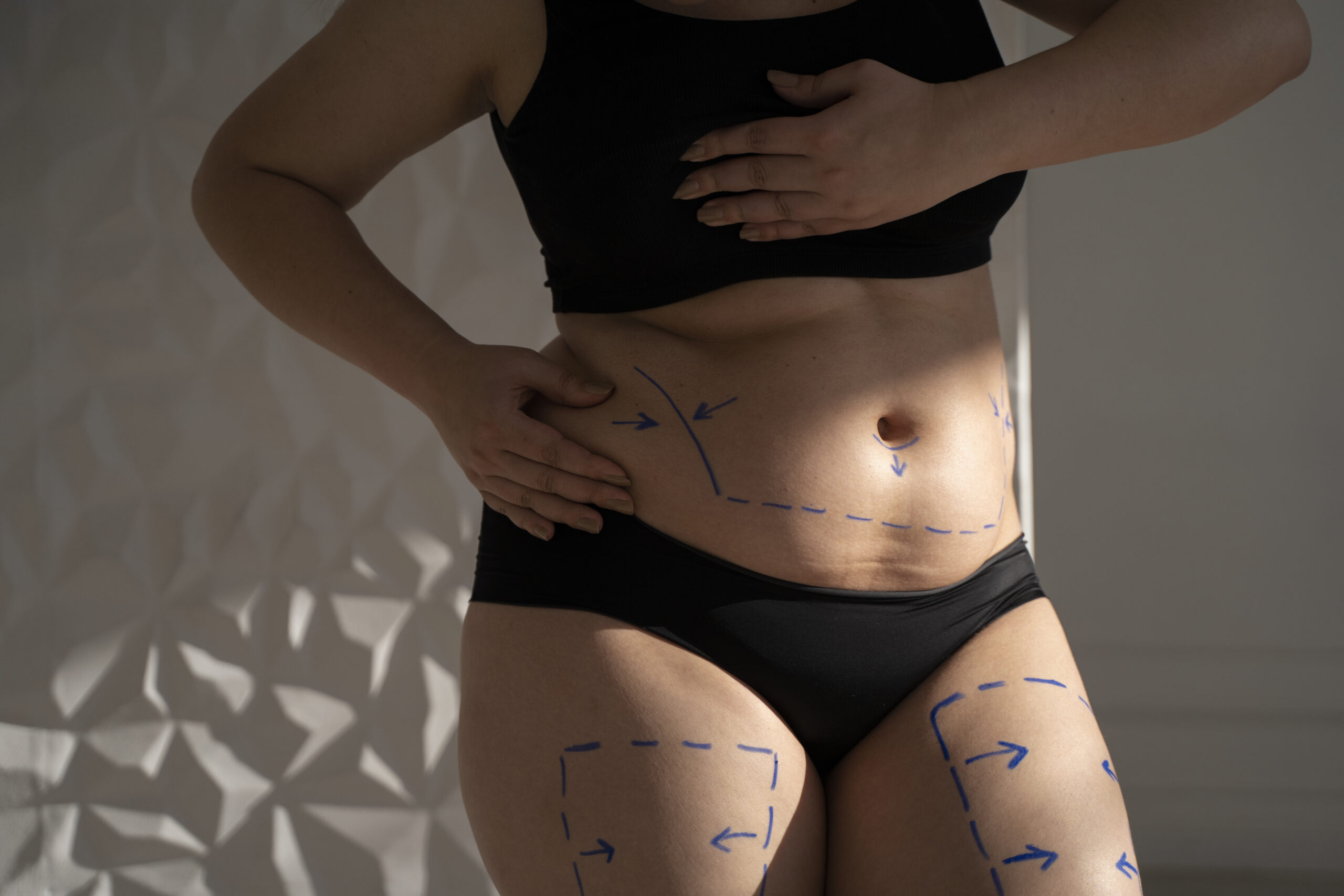
Surgical options may be recommended for severe or contracture scars. Scar revision surgery in Mumbai, skin grafting, or tissue expansion can help improve appearance and restore function. A combination of treatments may be used for optimal results.
Psychological Impact of Scars
Scars, especially visible or severe ones, can affect self-esteem and confidence. People may feel self-conscious about their appearance, avoid social interactions, or experience anxiety about their scars. Addressing both the physical and psychological impact is important for overall well-being.
Seeking professional treatment can not only improve the appearance of scars but also enhance emotional confidence and quality of life. Early intervention often leads to better results and faster healing.
Prevention Tips
While not all scars can be prevented, certain steps can reduce their severity. Proper wound care, including cleaning and protecting the area, is essential. Avoiding excessive sun exposure can prevent discoloration and worsening of scars.
For surgical wounds or deeper injuries, following post-operative care instructions and avoiding tension on the healing skin can minimize the risk of hypertrophic or keloid scars. Regular monitoring and early treatment of abnormal scars can lead to better outcomes.
Final Thoughts
Scars are a natural part of the healing process, but their appearance and impact can vary widely. Hypertrophic, keloid, contracture, and atrophic scars each have unique characteristics and challenges. Understanding how they form and the available treatment options is essential for managing scars effectively.
With proper care, early intervention, and advanced medical treatments, many scars can be improved or minimized, helping individuals regain confidence and comfort in their skin.
At My Aesthetic+, we provide expert scar treatment solutions for all types of scars, including hypertrophic, keloid, contracture, and atrophic scars. Our team uses advanced techniques to improve appearance and restore skin function safely. Book a consultation with My Aesthetic+ today and take the first step toward smoother, healthier-looking skin.