Liposuction is one of the most popular cosmetic procedures worldwide. It is designed to remove stubborn fat from areas like the abdomen, thighs, arms, and chin that do not respond to diet or exercise. Over the years, various liposuction techniques have been developed to improve safety, comfort, and results. The most common methods today include tumescent liposuction, laser-assisted liposuction, and ultrasound-assisted liposuction. Understanding the differences between these techniques can help patients make informed decisions about their treatment.
What Is Liposuction?
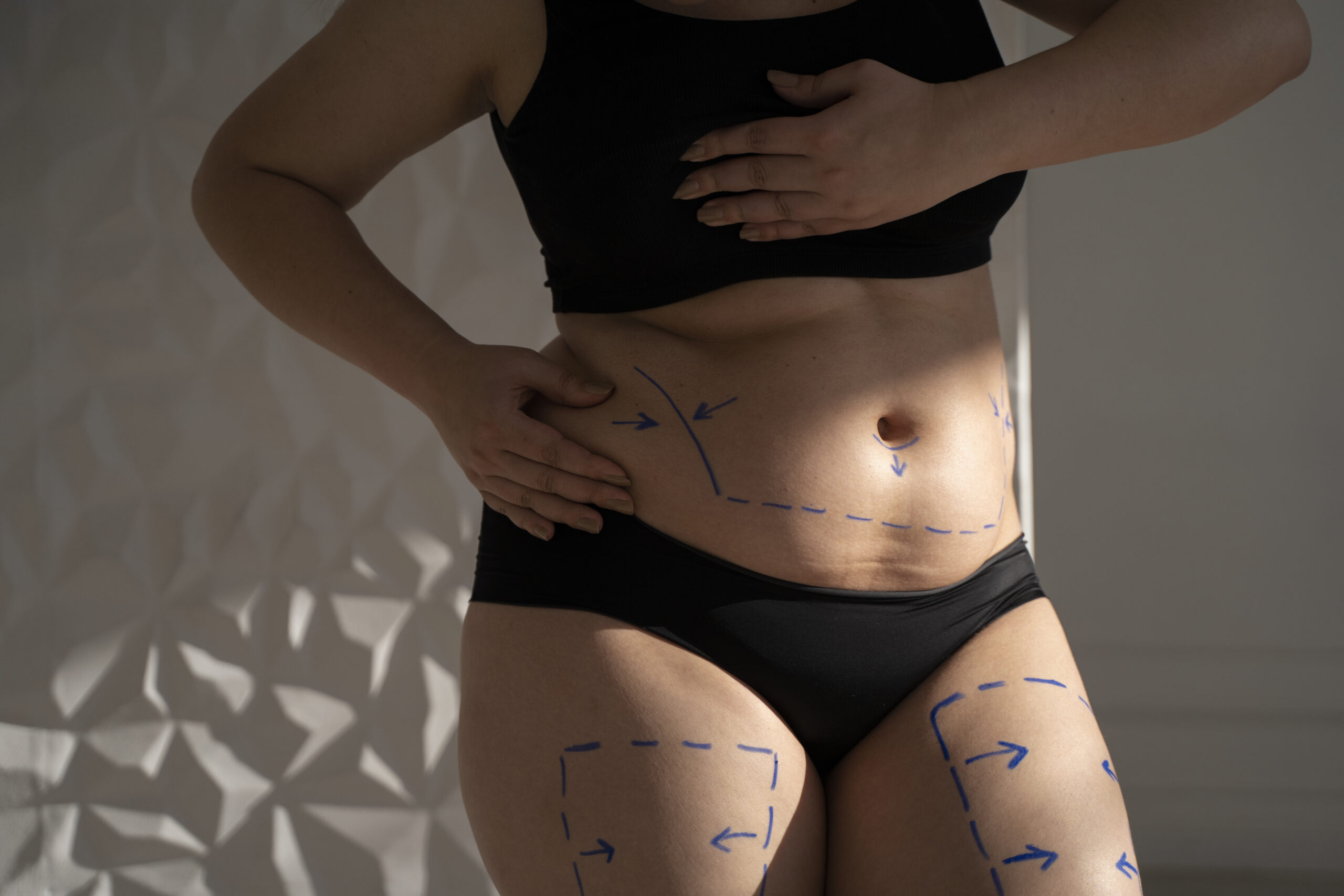
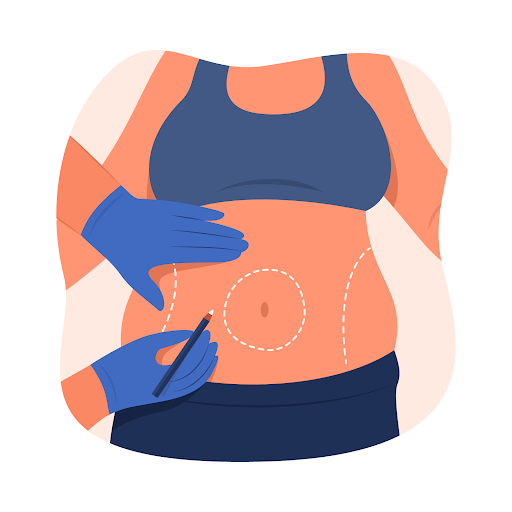
Liposuction is a surgical procedure that removes excess fat deposits from specific areas of the body. The goal is to improve body contour and proportion, not to serve as a weight loss solution. Fat is removed using a thin tube called a cannula, which is inserted under the skin. The procedure can be performed under local or general anesthesia depending on the area and amount of fat being treated.
Liposuction is often combined with other procedures, such as tummy tucks or body lifts, for comprehensive body contouring. It is suitable for people with good skin elasticity and healthy lifestyle habits.
Tumescent Liposuction
Tumescent liposuction is one of the most widely used techniques. In this method, a large volume of a saline solution mixed with local anesthetic and a medication called epinephrine is injected into the treatment area. This fluid causes the targeted fat to become swollen and firm, making it easier to remove.
The advantages of tumescent liposuction include minimal blood loss, reduced pain, and faster recovery compared to traditional liposuction. Because the anesthetic is part of the solution, the procedure can often be performed under local anesthesia. It is considered safe and effective for most body areas and provides smooth results when performed by an experienced surgeon.
Laser-Assisted Liposuction
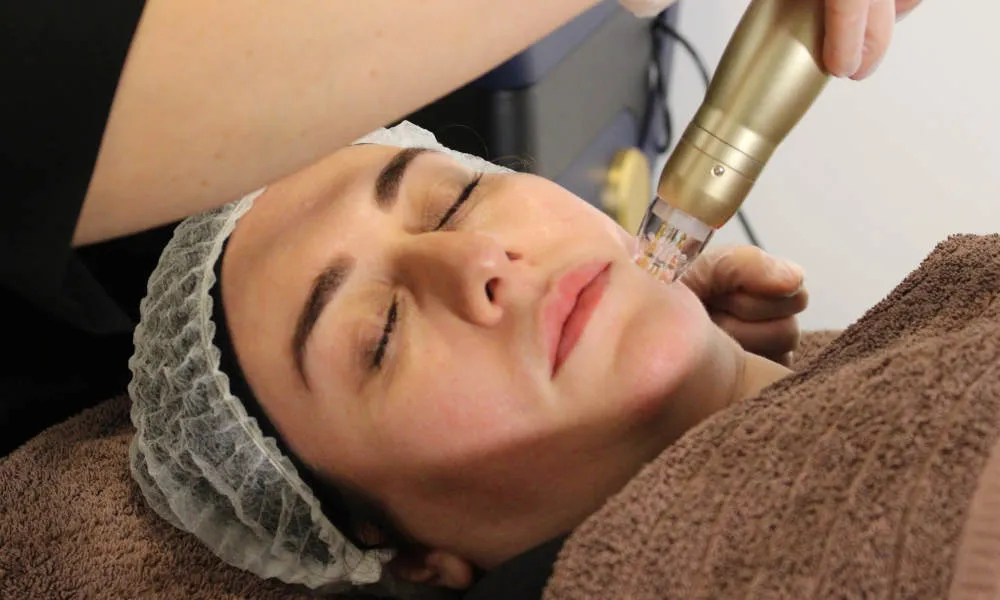
Laser-assisted liposuction, also known as laser lipolysis, uses laser energy to melt fat before it is removed. A small laser fiber is inserted into the fat layer, which heats and liquefies the fat. The liquefied fat is then suctioned out or naturally absorbed by the body.
This technique has several benefits. The laser energy helps tighten the skin, reducing the chances of sagging after fat removal. It is also less invasive, often causing less bruising and swelling than traditional methods. Laser-assisted liposuction is ideal for areas that require precision, such as the chin, arms, or knees.
Patients often appreciate that laser-assisted liposuction provides both fat removal and skin tightening in a single session, resulting in smoother and more contoured results. For patients considering VASER liposuction in Mumbai, a consultation can help determine whether this technique is appropriate for their individual body-contouring goals.
Ultrasound-Assisted Liposuction
Ultrasound-assisted liposuction (UAL) uses ultrasonic energy to break down fat cells before removal. A special cannula emits ultrasound waves that liquefy the fat, making it easier to extract. This method is particularly useful for denser or fibrous fat areas, such as the back or male chest.
The benefits of ultrasound-assisted liposuction include greater precision, less physical effort for the surgeon, and improved contouring in difficult areas. UAL also allows for more fat removal in a single session while minimizing trauma to surrounding tissues.
However, this technique may cause more swelling and bruising initially compared to tumescent or laser-assisted methods. Proper aftercare and following the surgeon’s instructions are essential to achieve the best results.
Comparing the Techniques
While all three techniques aim to remove excess fat, they have distinct differences. Tumescent liposuction is safe, widely used, and effective for most body areas. Laser-assisted liposuction provides skin tightening along with fat removal and is less invasive. Ultrasound-assisted liposuction is ideal for dense or fibrous fat and allows for precise contouring.
The choice of technique depends on several factors, including the patient’s body type, area being treated, skin elasticity, and the surgeon’s expertise. For patients considering liposuction Mumbai, a consultation can help determine the most suitable technique based on these individual factors. During consultation, the surgeon evaluates these factors to recommend the most suitable method for optimal results.
Recovery and Results
Recovery after liposuction varies depending on the technique used, the area treated, and the individual’s health. Most patients experience some swelling, bruising, and mild discomfort for a few days to weeks. Compression garments are often recommended to reduce swelling and support the new body contour.
Tumescent liposuction typically has a shorter recovery time due to minimal blood loss and trauma. Laser-assisted liposuction also allows faster healing because of its less invasive nature. Ultrasound-assisted liposuction may require slightly longer recovery due to the energy used to break down fat.
Final results become visible as swelling subsides, usually within a few weeks to a few months. Patients often report improved confidence and satisfaction with their body shape after liposuction.
Risks and Considerations
Like any surgical procedure, liposuction carries potential risks. Common risks include temporary swelling, bruising, numbness, and minor scarring. More serious complications, such as infection, fluid accumulation, or contour irregularities, are rare but possible.
Choosing a qualified and experienced surgeon is essential to minimize risks. Preoperative consultation, proper technique selection, and following postoperative care instructions all contribute to safe and successful outcomes.
Patients should also have realistic expectations. Liposuction can enhance body contour but is not a substitute for a healthy lifestyle. Maintaining a balanced diet and regular exercise is important to preserve results.
Who Is a Good Candidate?
Good candidates for liposuction are individuals with stubborn fat deposits that do not respond to diet or exercise. They should have good skin elasticity, be in overall good health, and have realistic expectations about the results.
People with medical conditions such as heart disease, diabetes, or weak immune systems may require special evaluation before undergoing liposuction. A thorough consultation with a qualified surgeon helps determine whether the procedure is suitable and which technique is best for each patient.
Final Thoughts
Liposuction is a safe and effective way to improve body contours and remove stubborn fat. Tumescent, laser-assisted, and ultrasound-assisted techniques each offer unique advantages depending on the patient’s needs and the area being treated. By understanding these options, patients can make informed decisions and achieve natural-looking, long-lasting results.
Whether the goal is to remove fat from the abdomen, thighs, arms, or chin, liposuction in Navi Mumbai can help enhance confidence and create a more sculpted appearance when performed by an experienced surgeon.
At My Aesthetic+, we offer advanced liposuction techniques, including tumescent, laser-assisted, and ultrasound-assisted methods. Our expert surgeons customize each treatment to meet your unique needs and ensure safe, natural-looking results. Book a consultation with My Aesthetic+ today and take the first step toward achieving the body shape you desire.